
Director
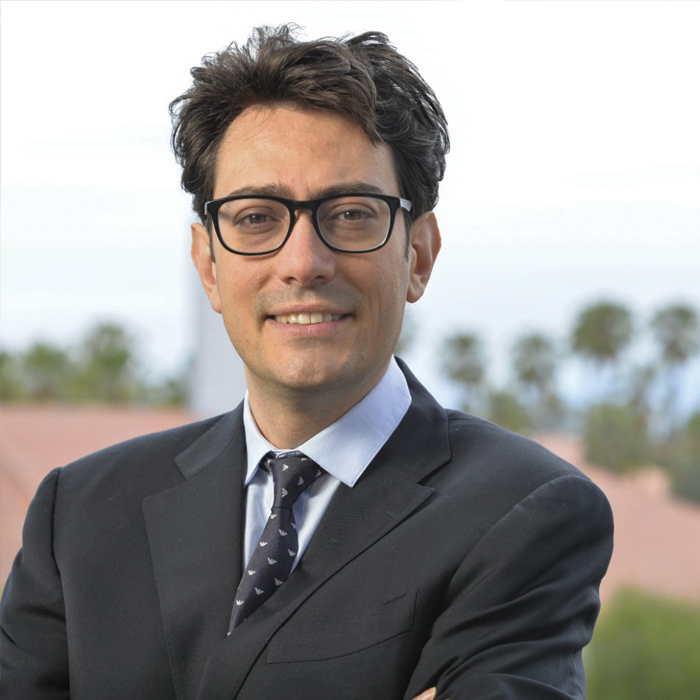
Prof. Marco Pavone
Associate Professor, Department of Aeronautics and Astronautics
Director, Autonomous Systems Laboratory
Director, Center for Automotive Research at Stanford (CARS)
Associate Professor (by courtesy), Information Systems Laboratory
Associate Professor (by courtesy), Computer Science
Associate Professor (by courtesy), Institute for Computational and Mathematical Engineering (ICME)
Ph.D. Massachusetts Institute of Technology, 2010
Research Team
Postdoctoral Scholars
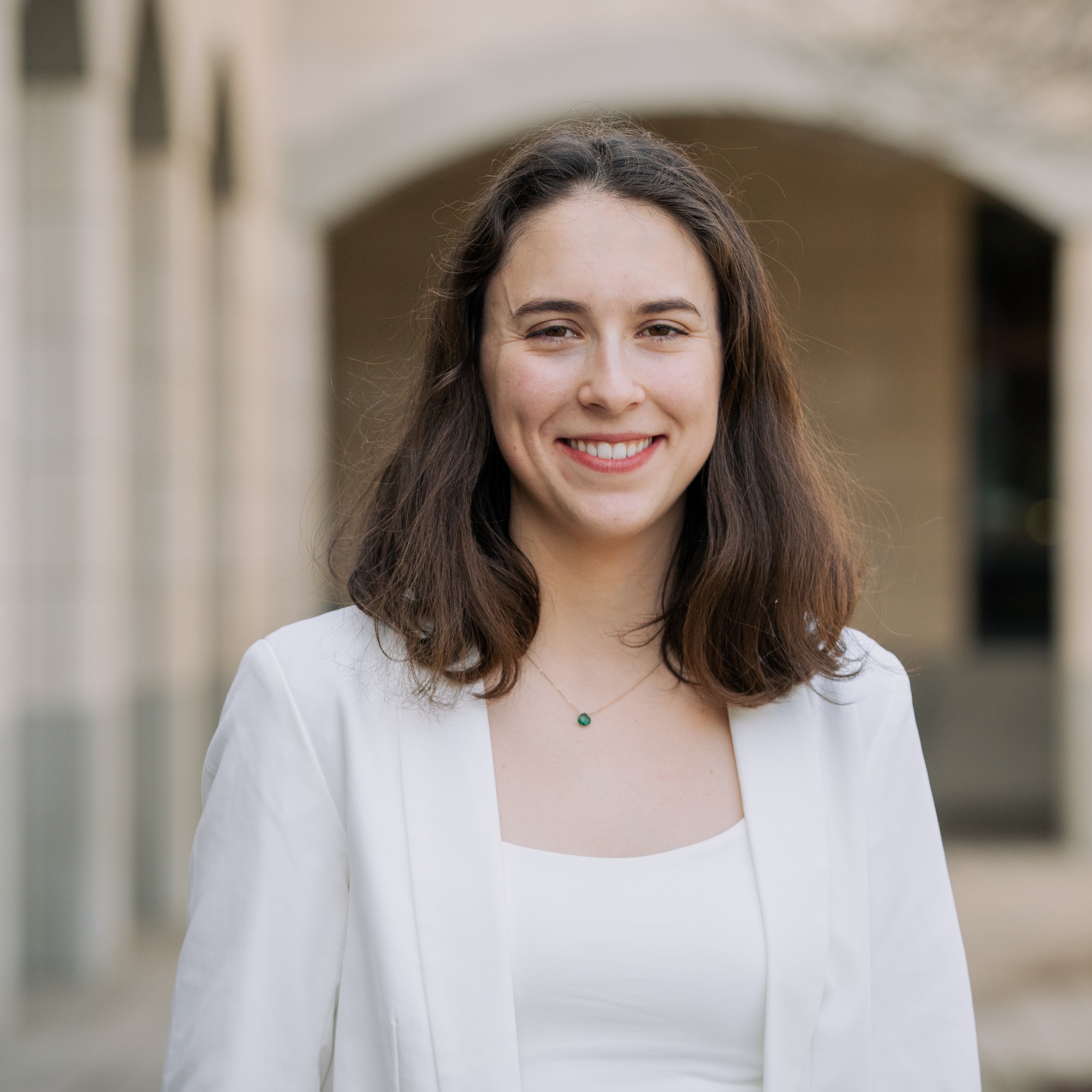
Carmen Amo Alonso
Postdoctoral Scholar
Optimal and learning-based control, manipulation, space robotics
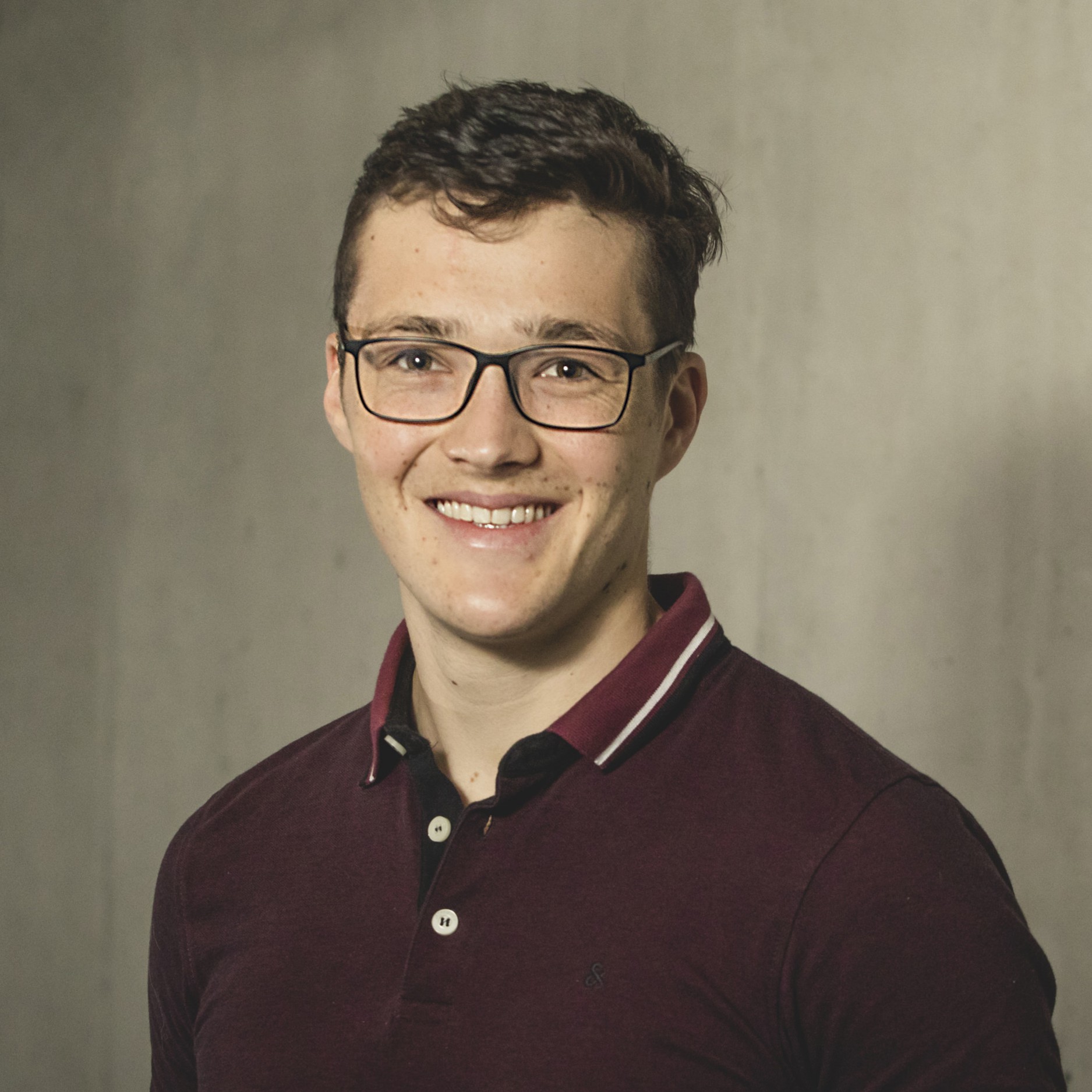
Jonas Frey
Postdoctoral Scholar
Learning perception, locomotion and navigation for legged robots
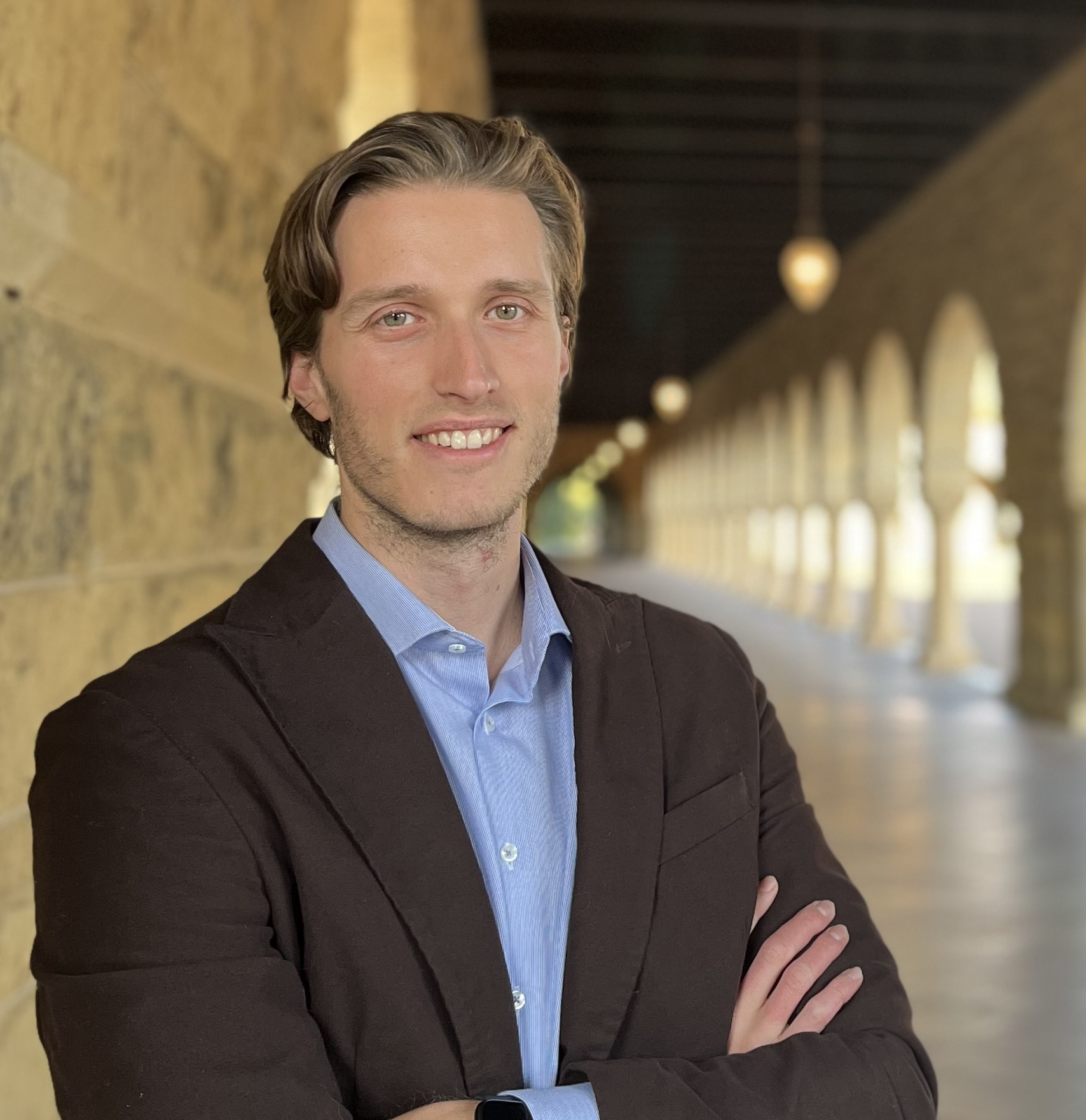
Daniele Gammelli
Postdoctoral Scholar
Learning-based control, mobility systems, autonomous spacecraft
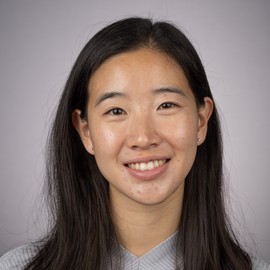
Katie Luo
Postdoctoral Scholar
Perception and scene understanding for embodied agents, Autonomous Vehicles
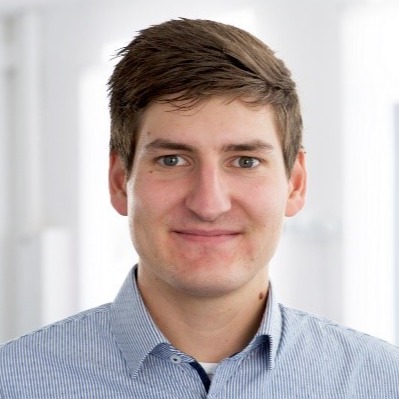
Jakob Thumm
Postdoctoral Scholar
Data-driven control of high-dimensional systems
PhD Students
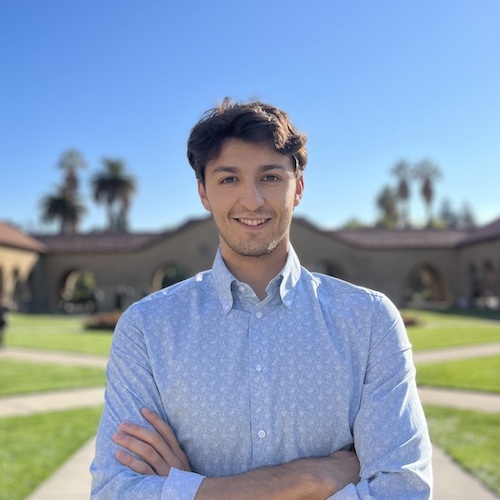
Chris Agia
PhD Student
Robot learning, integrated task & motion planning
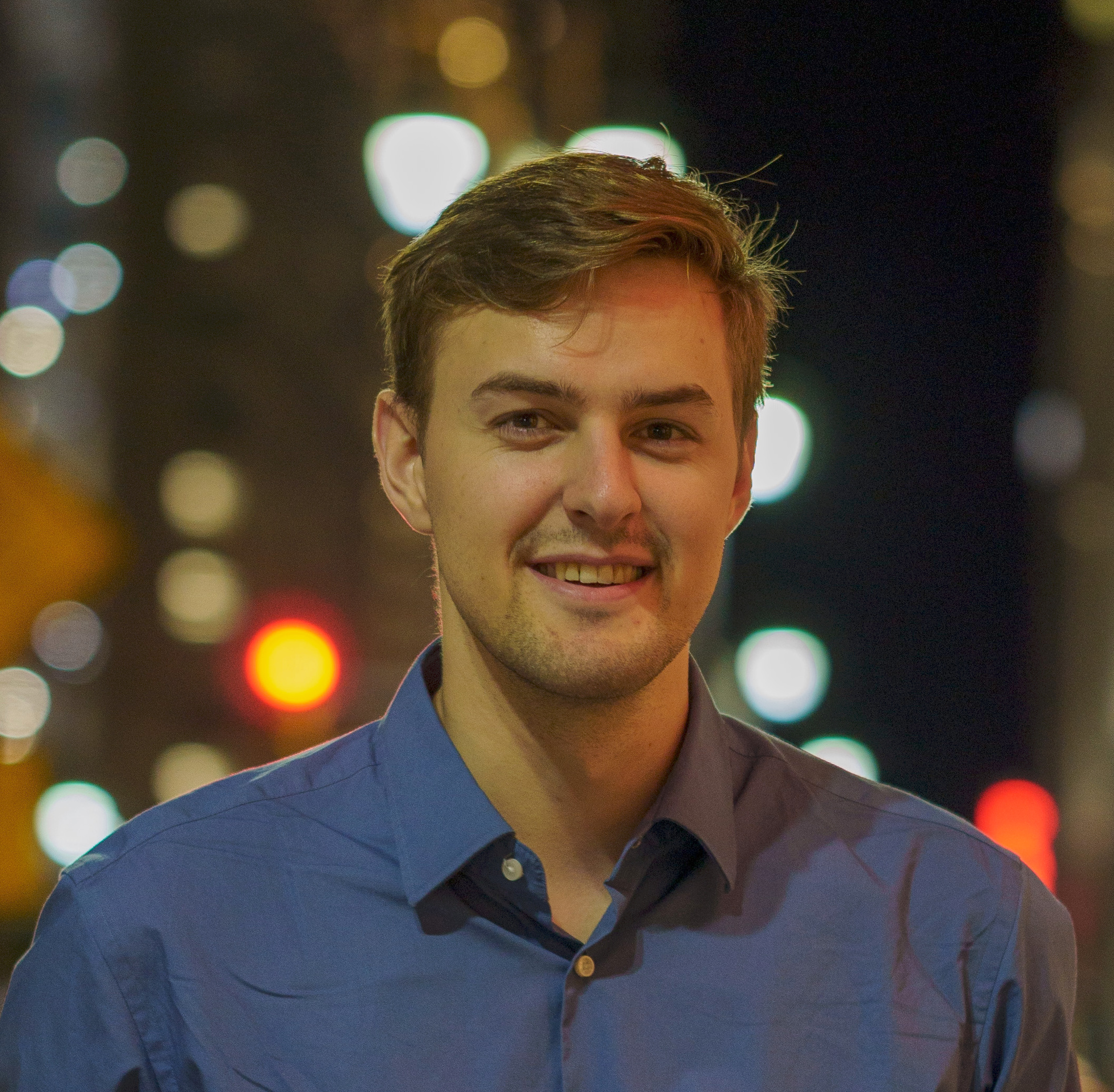
Erik Bauer
PhD Student
Robot Learning, Explainable Data Flywheels
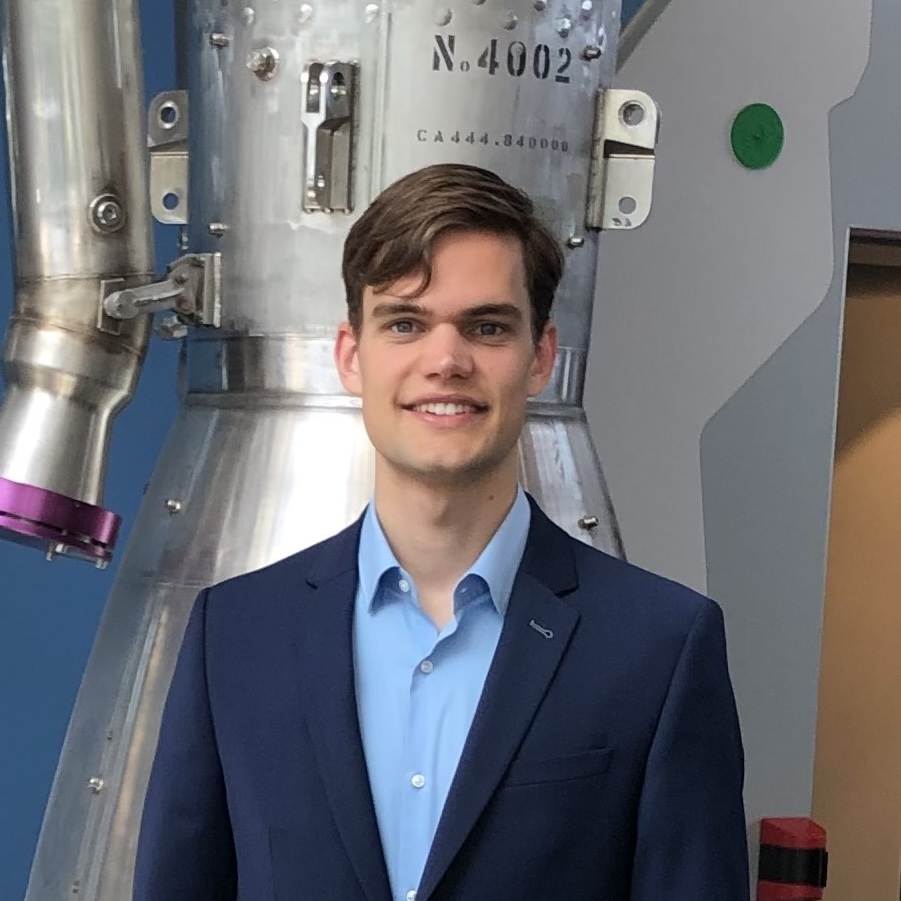
Hugo Buurmeijer
PhD Student
Optimal and learning-based control of high-dimensional robots
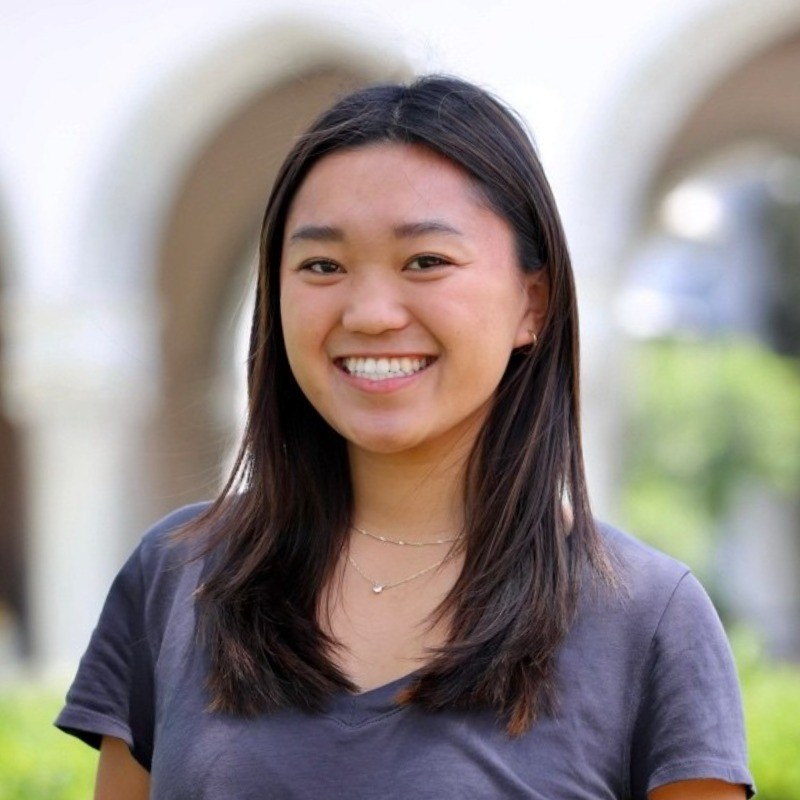
Jadelynn Dao
PhD Student
Reasoning and decision-making for autonomous, embodied AI
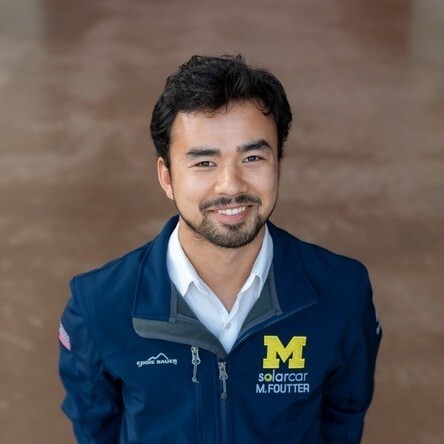
Matt Foutter
PhD Student
Safe and reliable autonomy
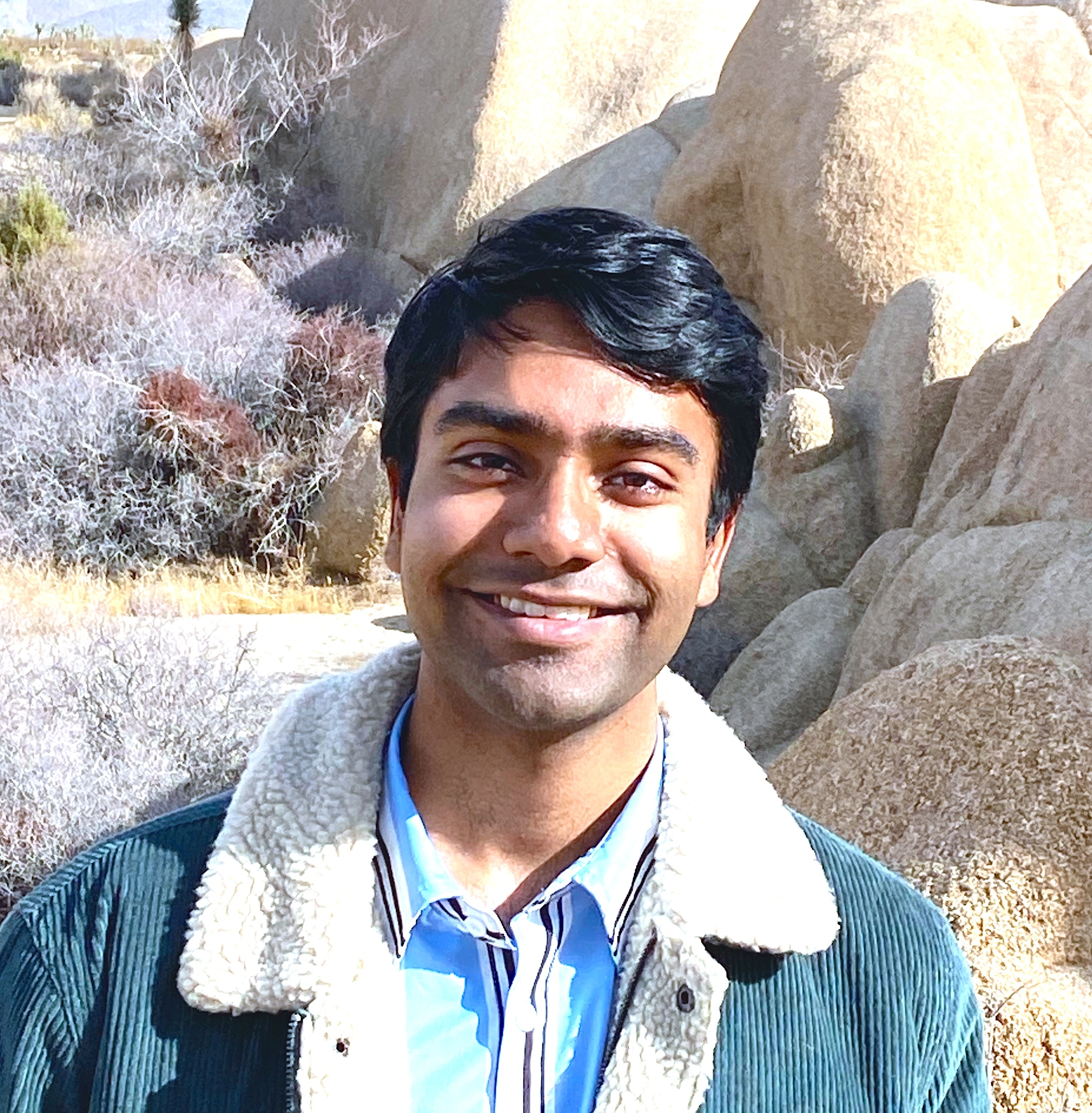
Milan Ganai
PhD Student
Safe AI and Reasoning for Autonomy
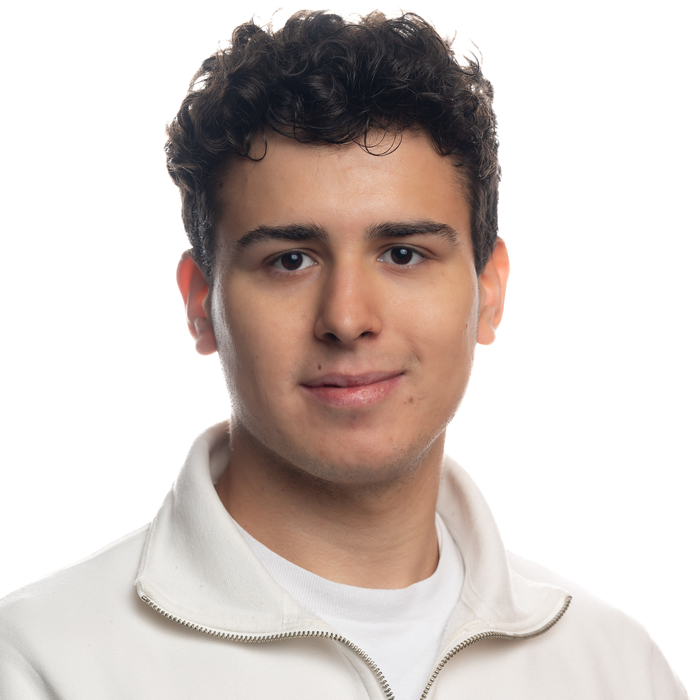
Fabio Hübel
PhD Student
Embodied agents for robotic search and spatial reasoning
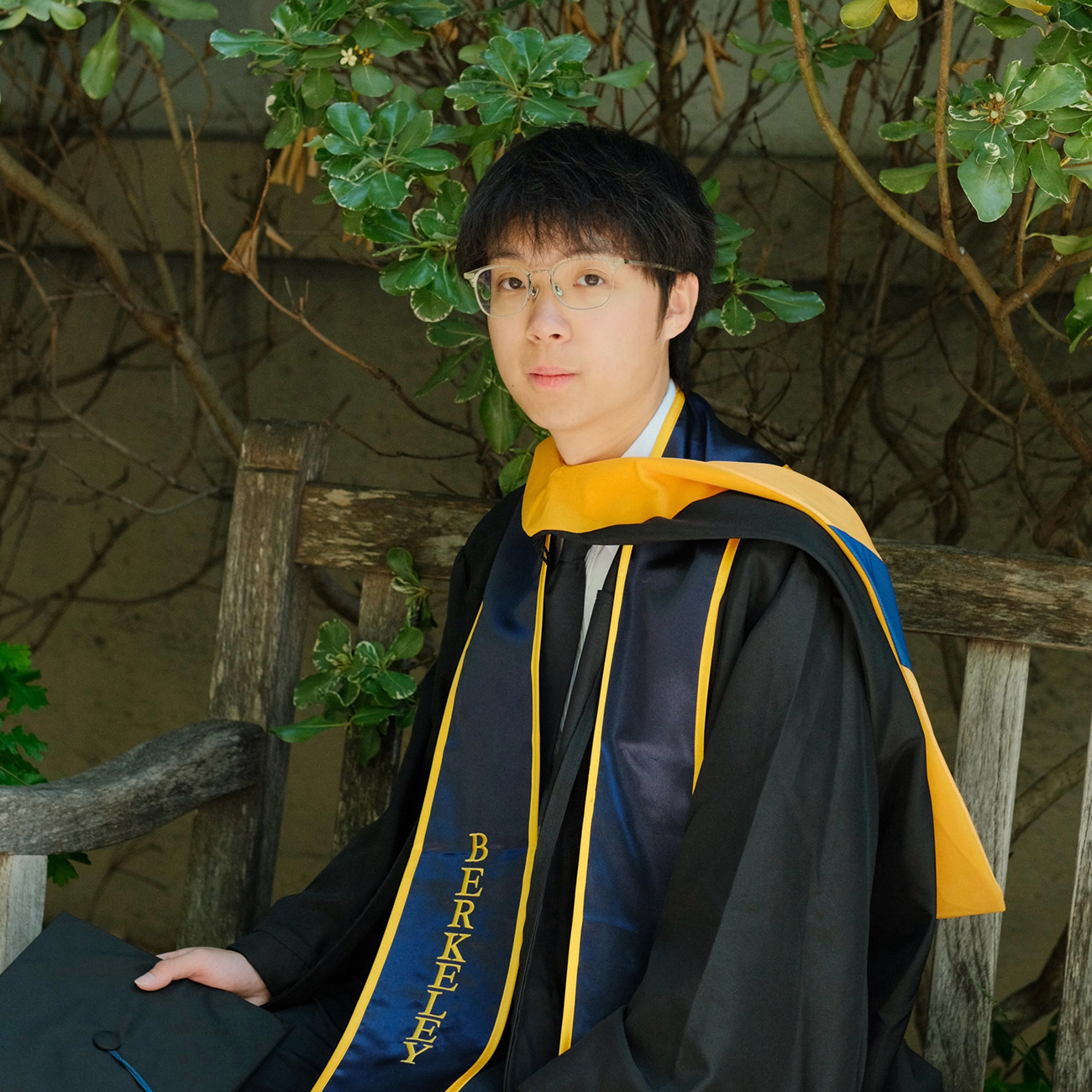
Jacky Kwok
PhD Student
Robot learning, reasoning & test-time scaling
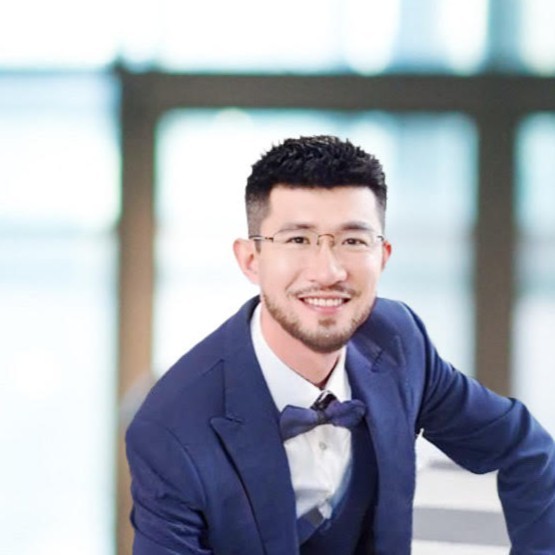
Yousef Liang
PhD Student
Embodied AI for Autonomous Robots
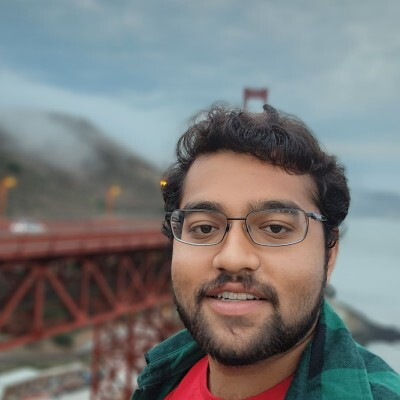
Pranit Mohnot
PhD Student
Learning-based control
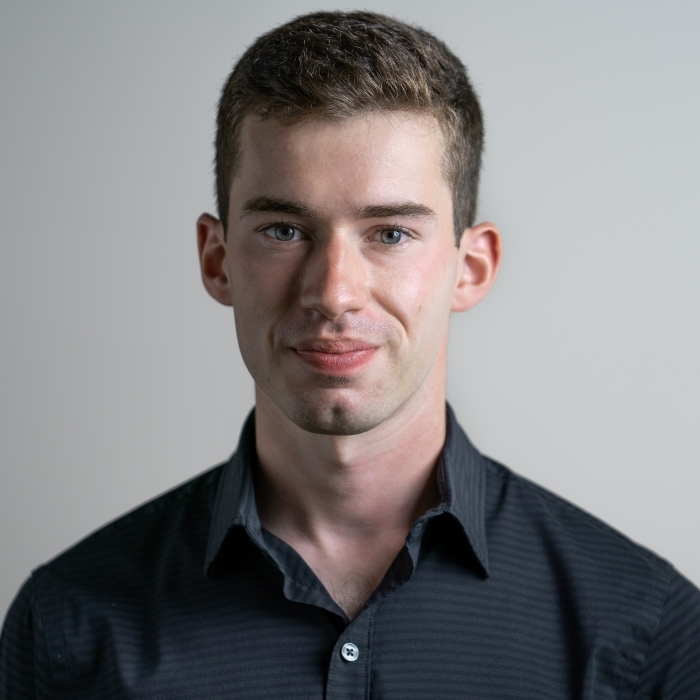
Daniel Morton
PhD Student
Optimal and learning-based control, manipulation, space robotics
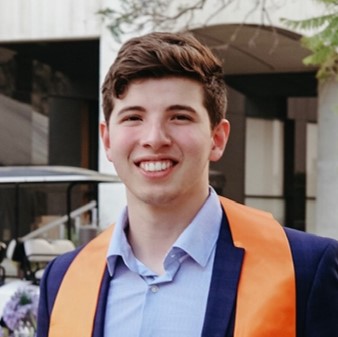
Luis A. Pabon
PhD Student
Trustworthy world models for autonomy
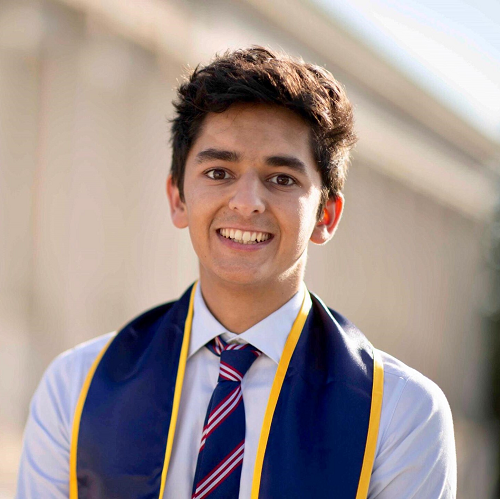
Rohan Sinha
PhD Student
Trustworthy autonomy and out-of-distribution generalization
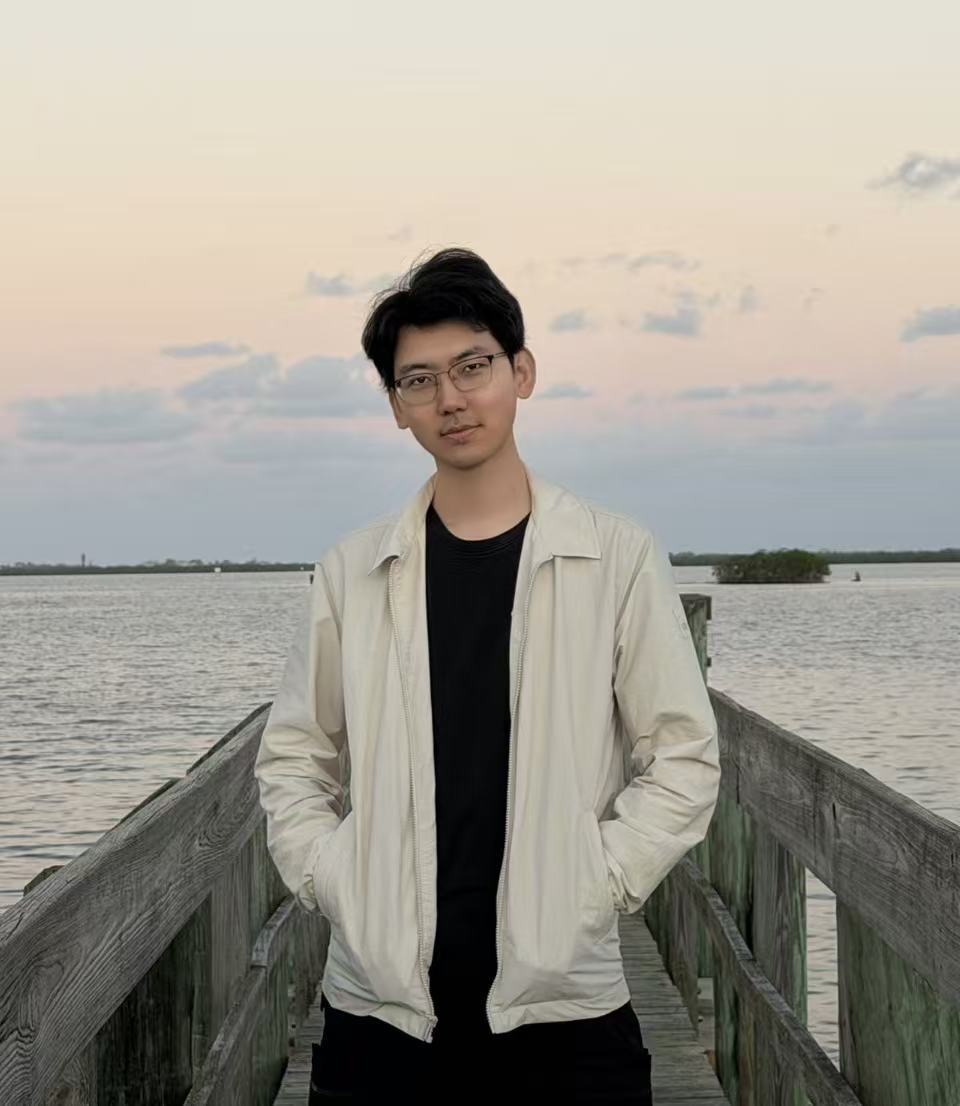
Xilun Zhang
PhD Student
Robot learning, world models for robotics
External Research Affiliates
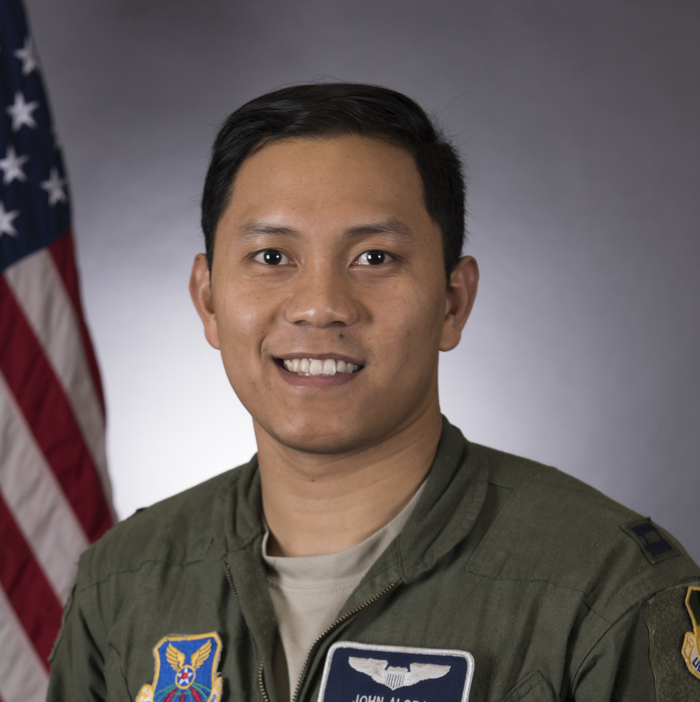
John Alora
ASL Visiting Scholar
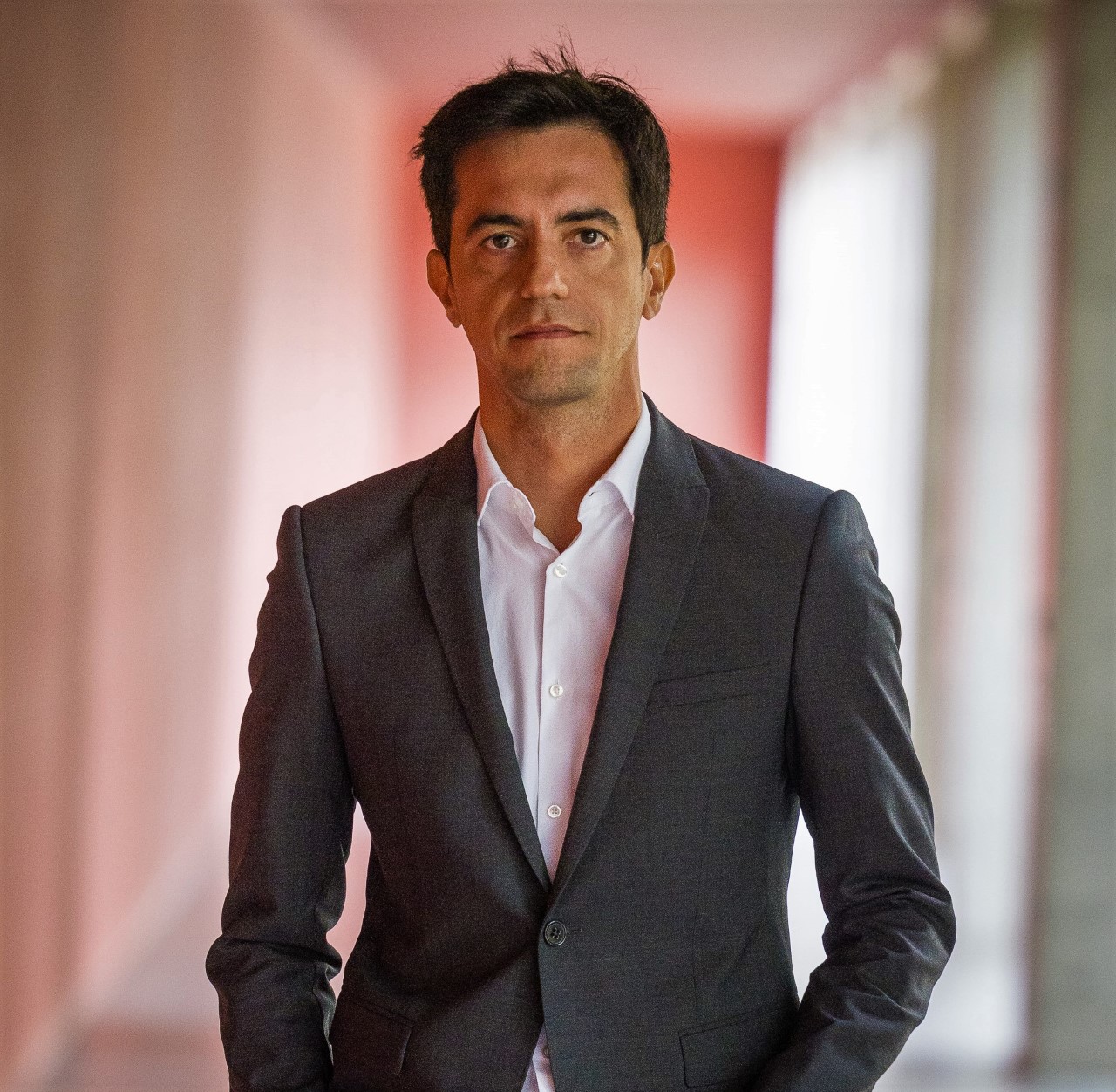
Luigi Di Lillo
Swiss Re
Alumni
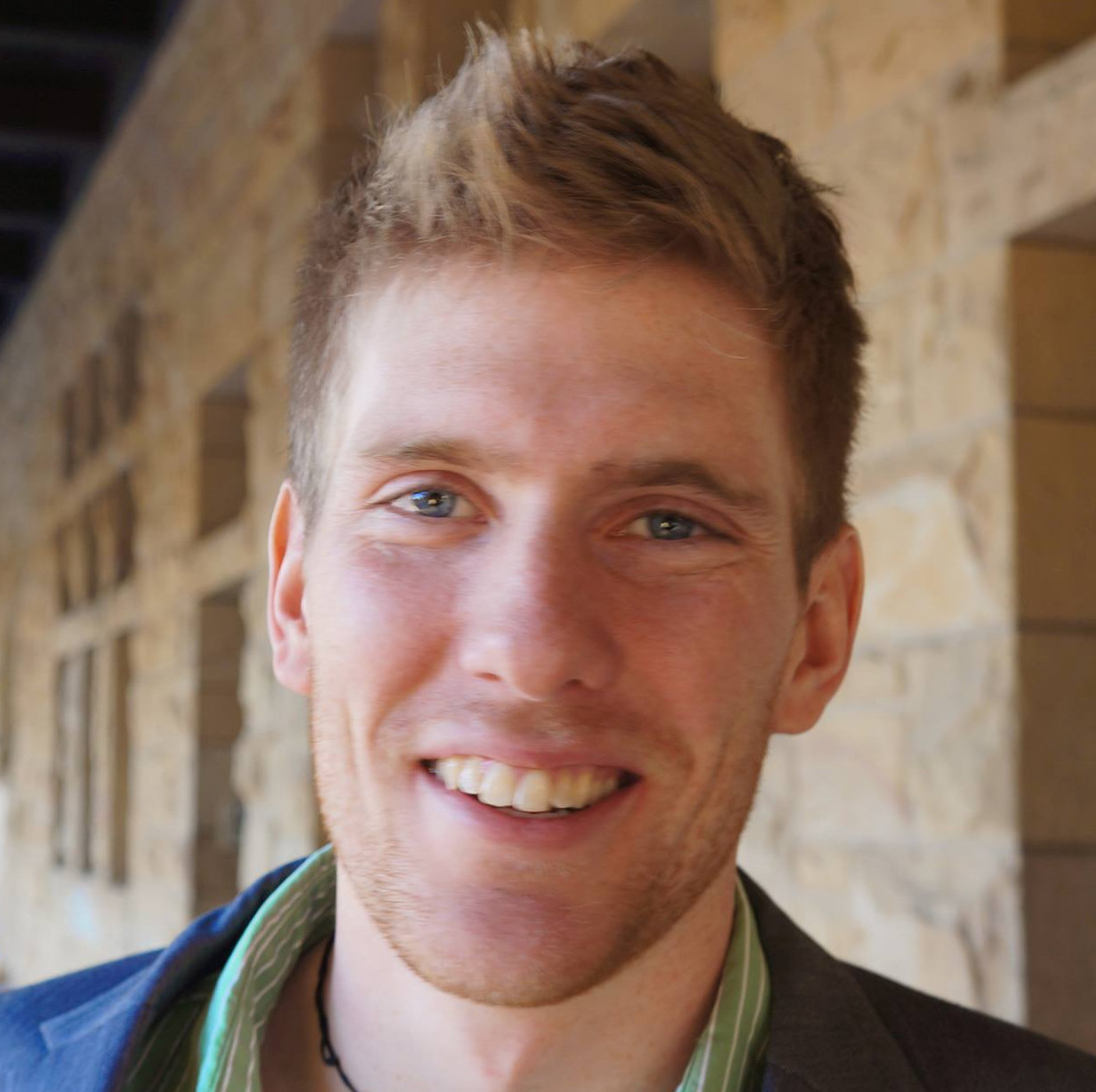
Ross Allen
MIT Lincoln Labs (via SpaceX)
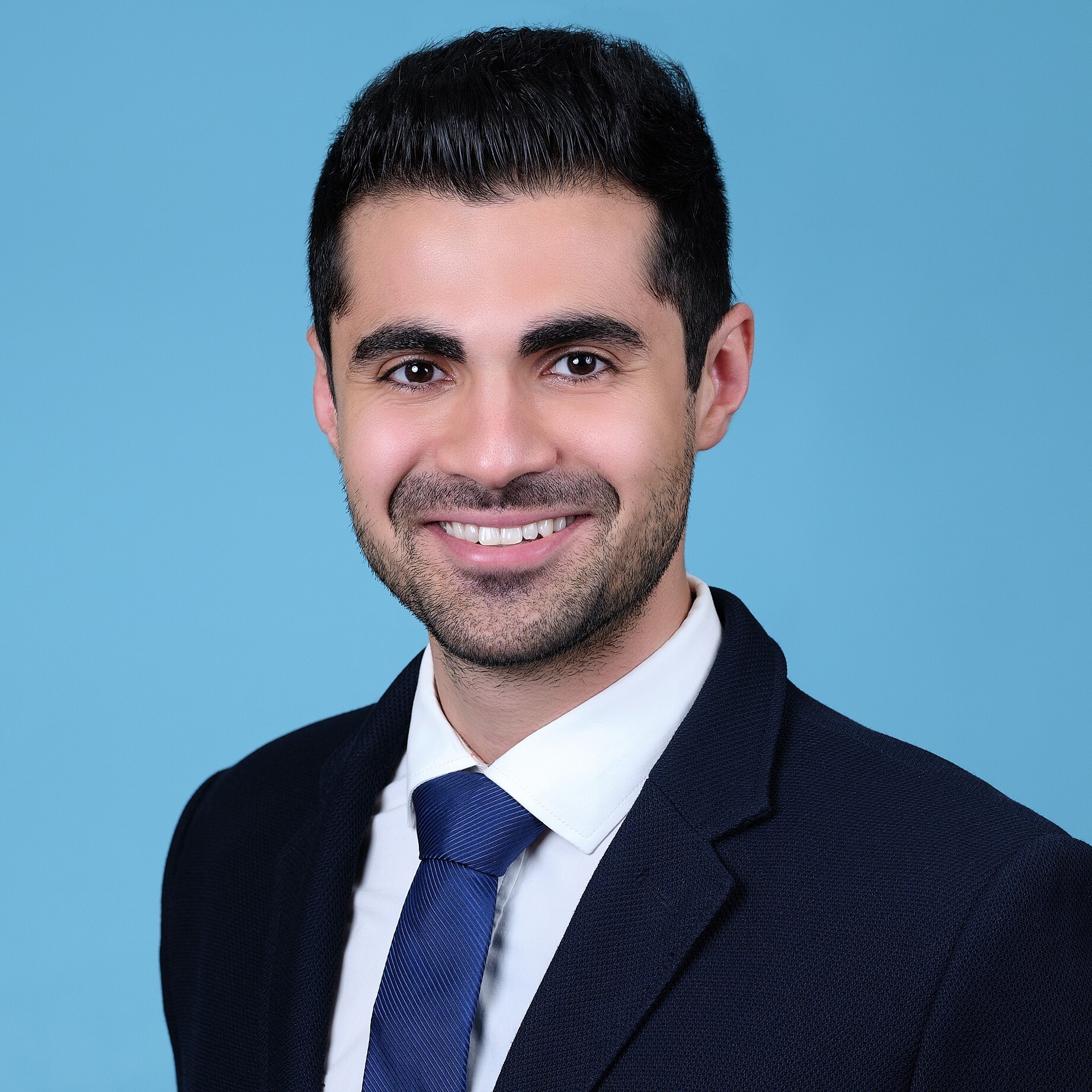
Navid Azizan
Massachusetts Institute of Technology
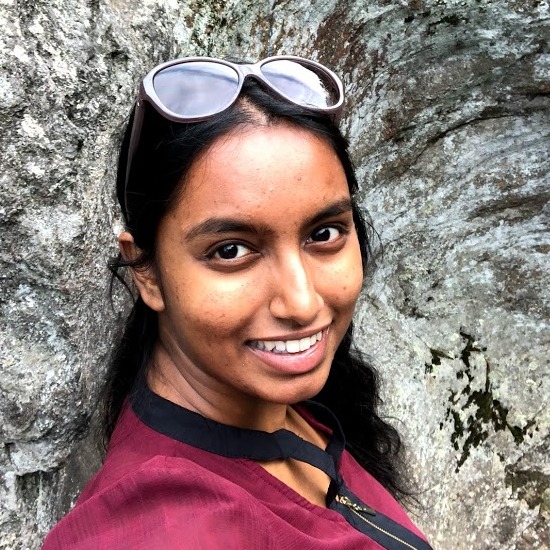
Somrita Banerjee
Apple
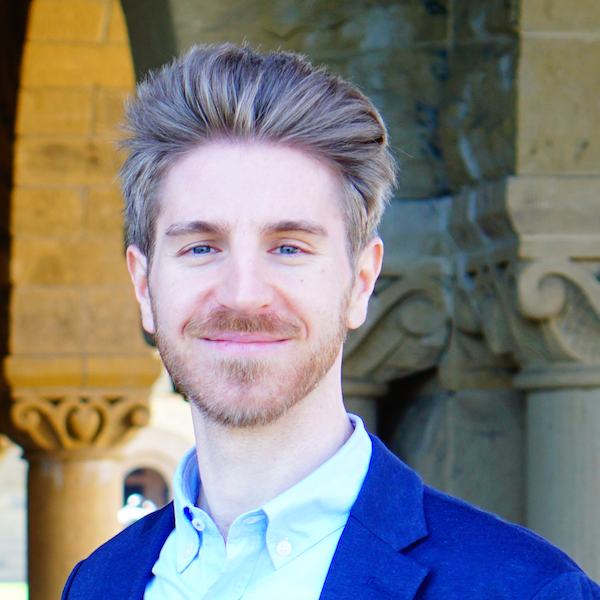
Riccardo Bonalli
CNRS
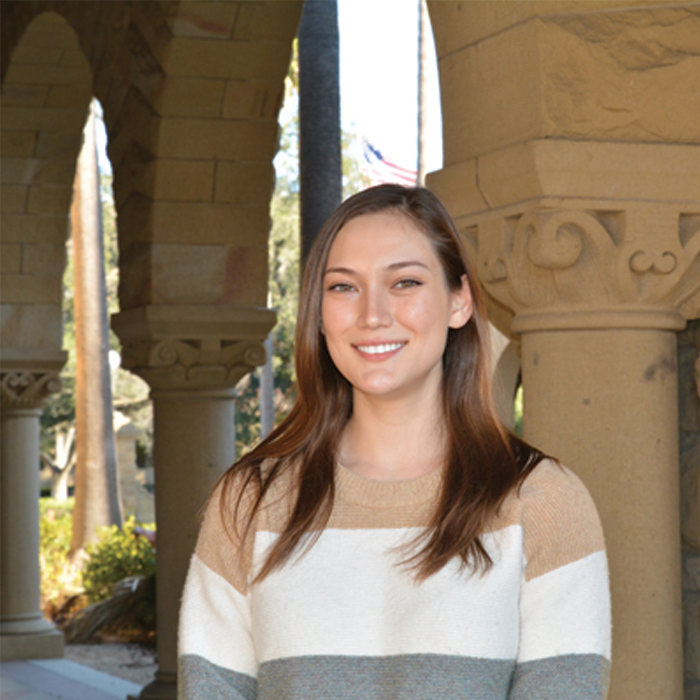
Robin Brown
OpenAI
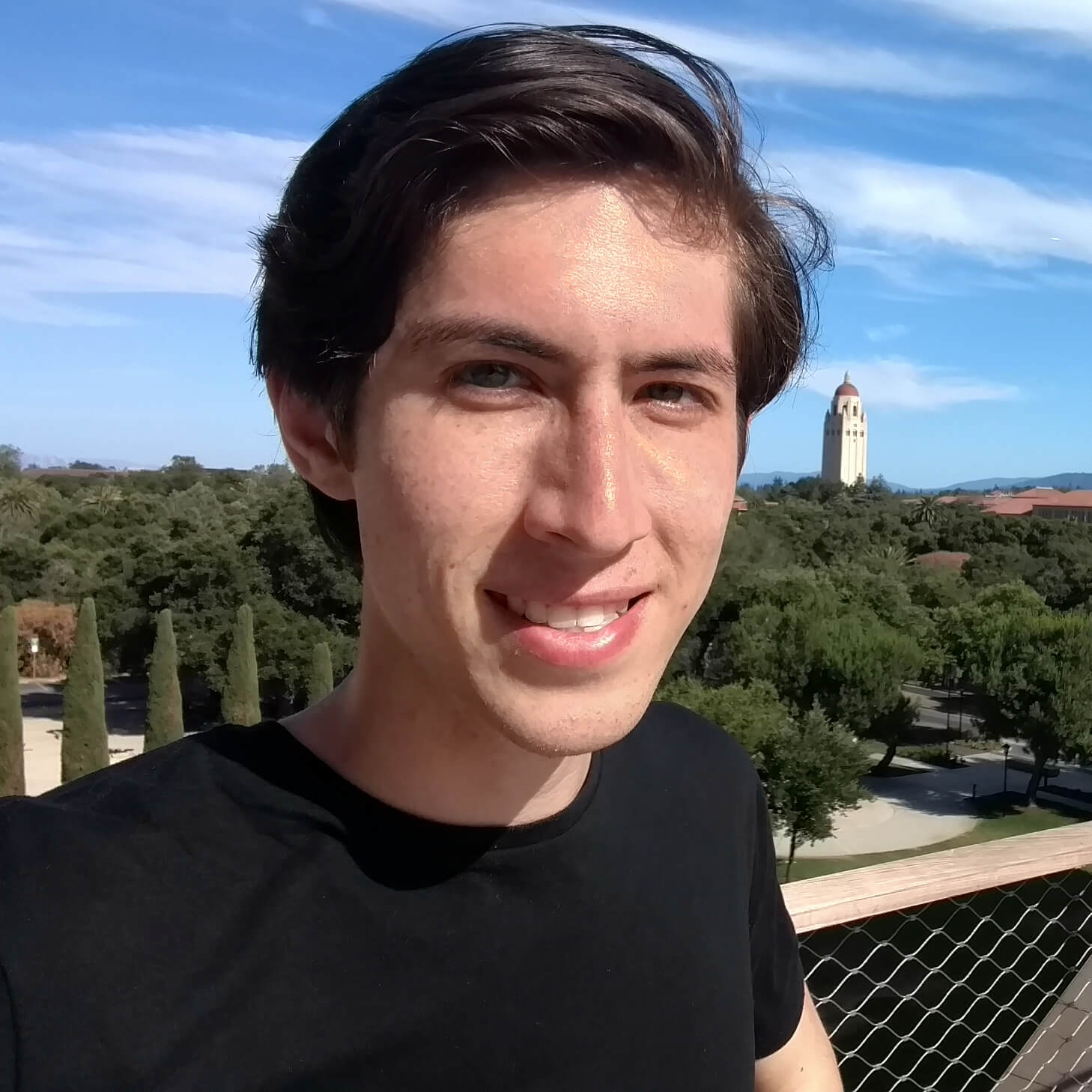
Andrew Bylard
Dexterity
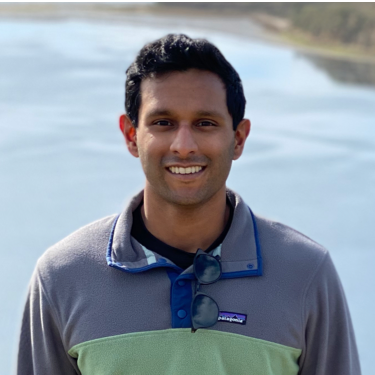
Abhishek Cauligi
Johns Hopkins University (via NASA Jet Propulsion Laboratory)
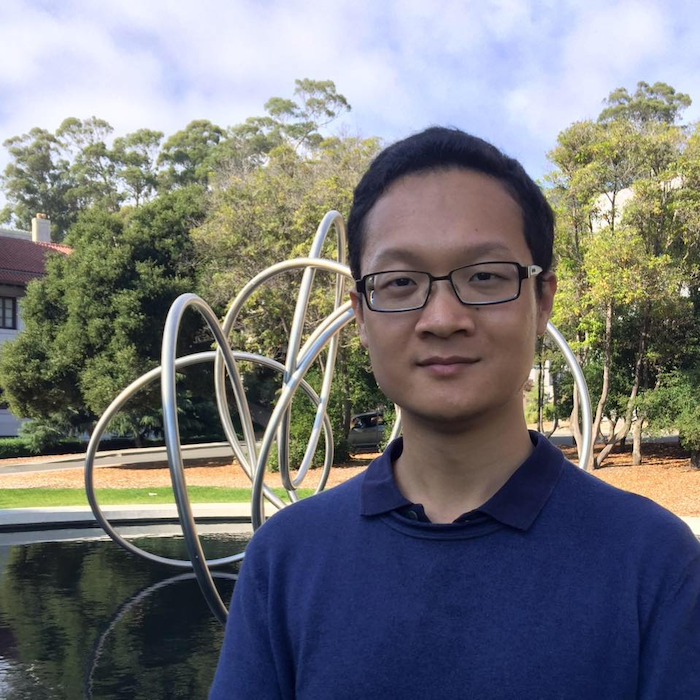
Mo Chen
Simon Fraser University
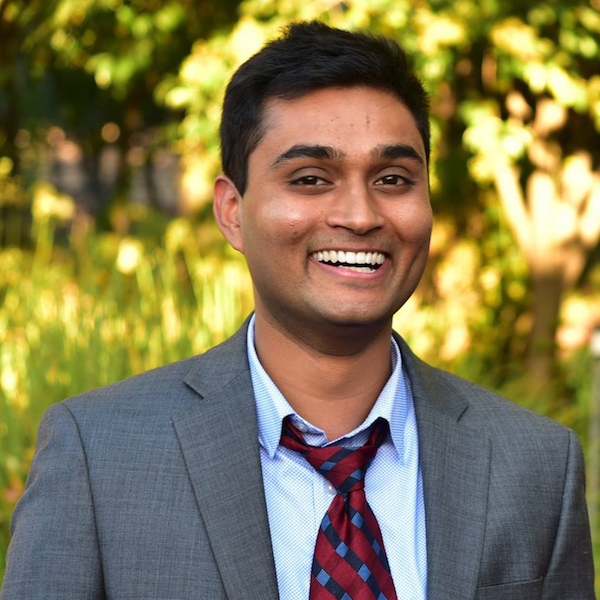
Sandeep Chinchali
University of Texas at Austin
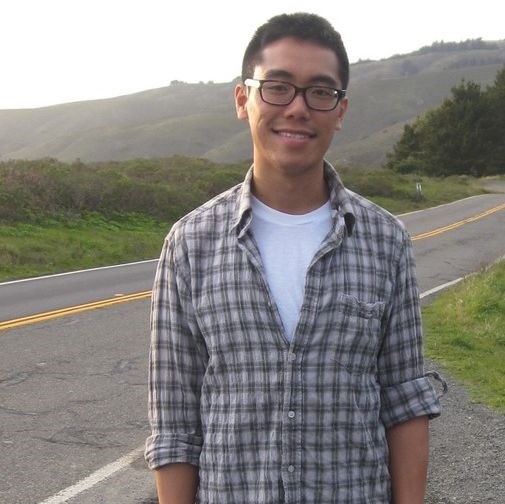
Yinlam Chow
Google DeepMind
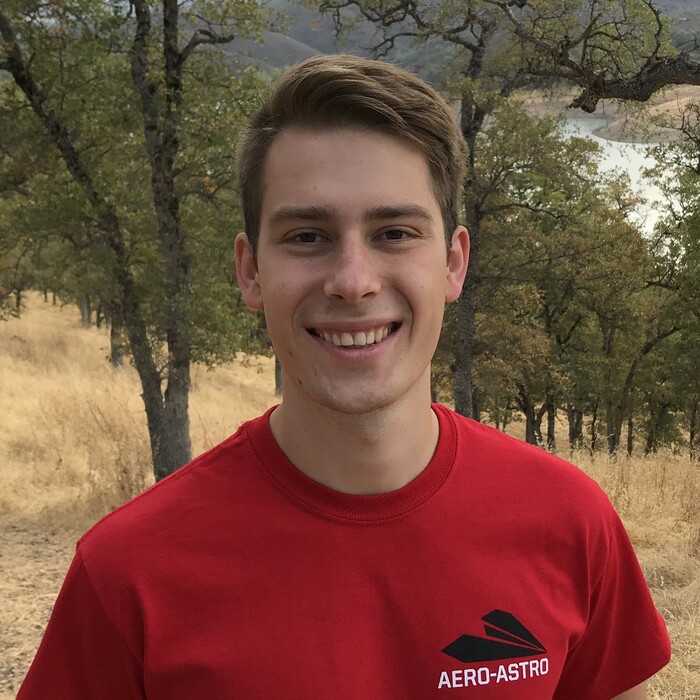
Robert Dyro
Google
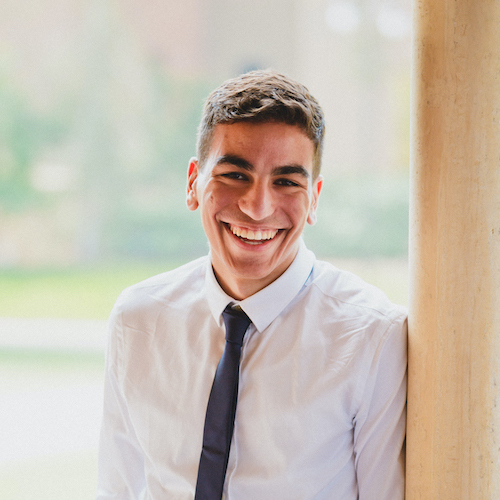
Amine Elhafsi
Waymo
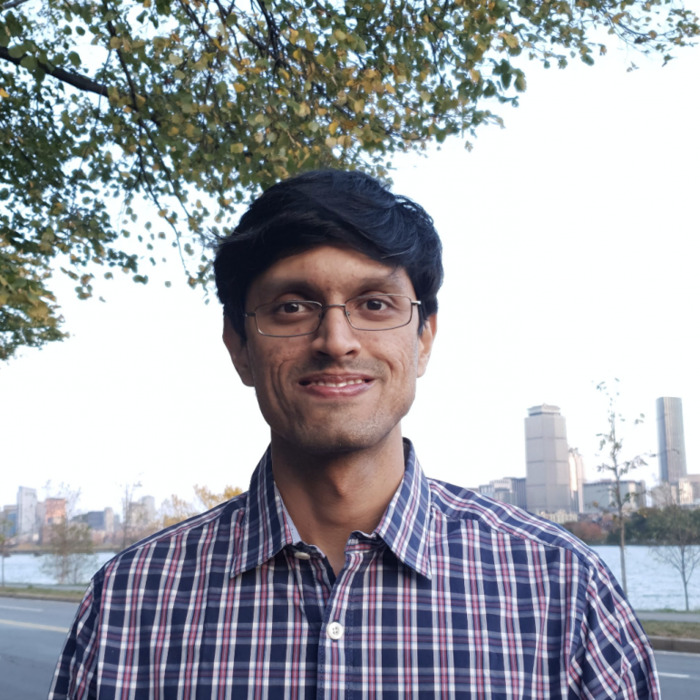
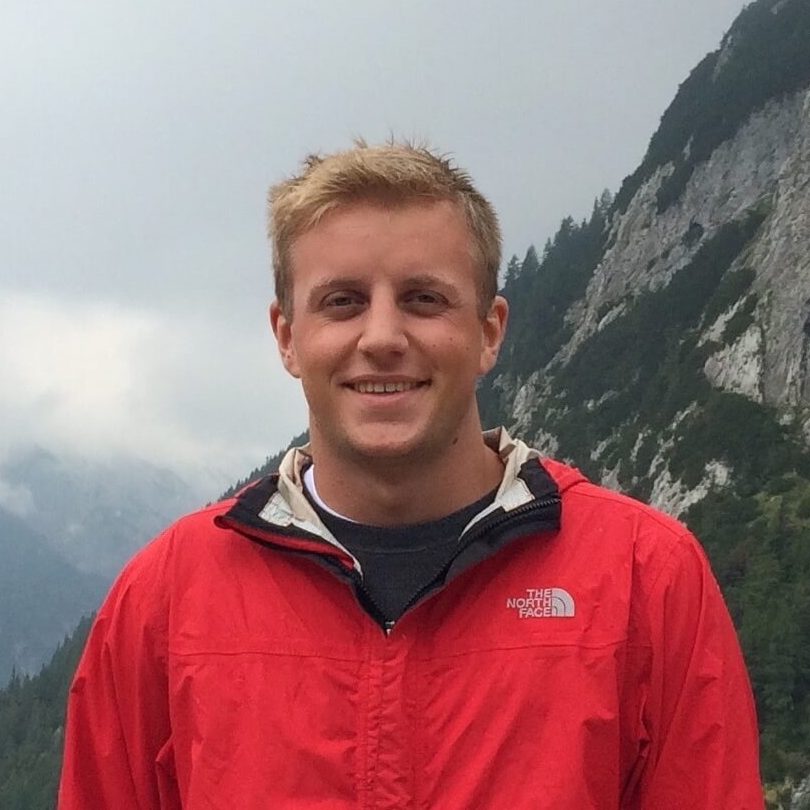
James Harrison
Google DeepMind
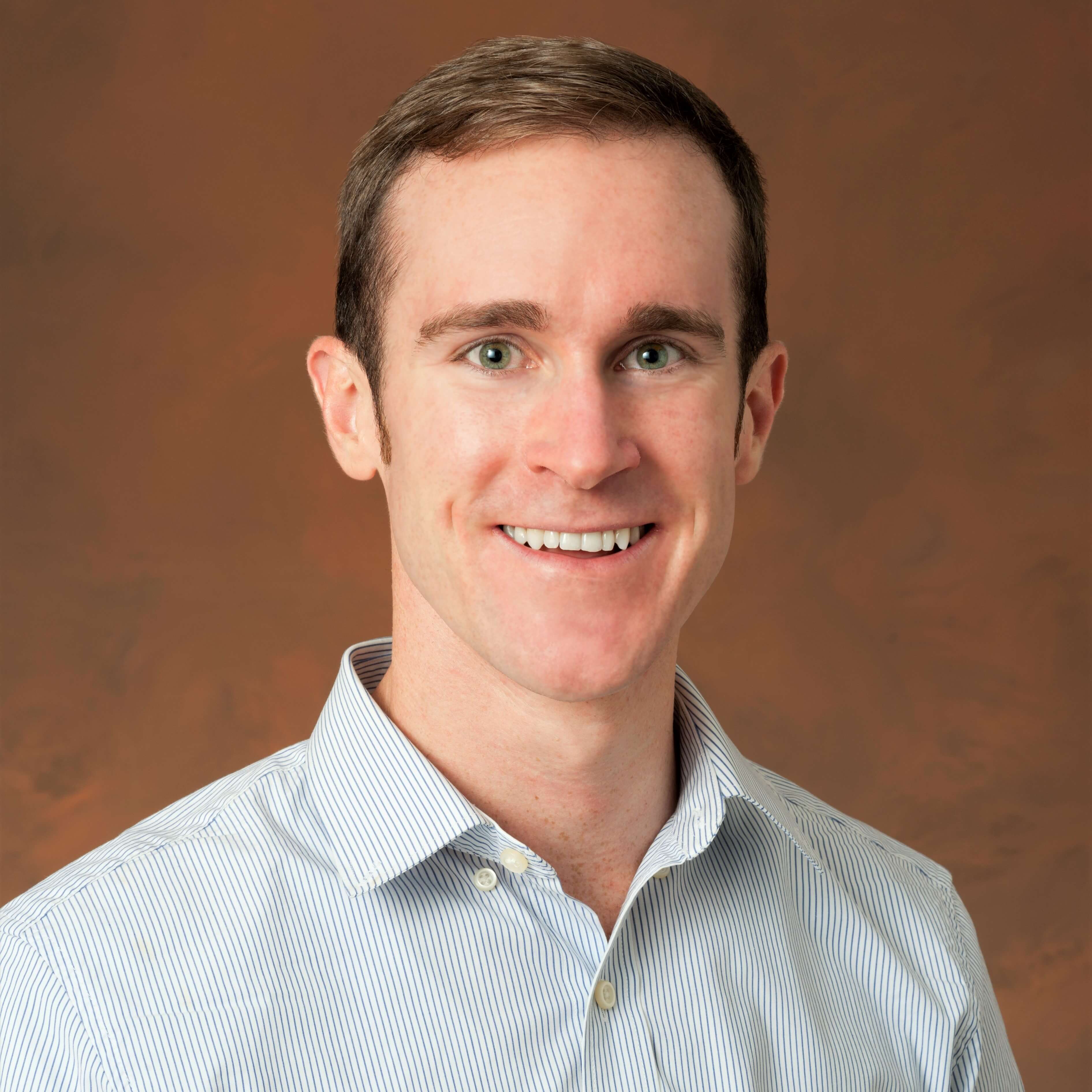
Ben Hockman
NASA Jet Propulsion Laboratory
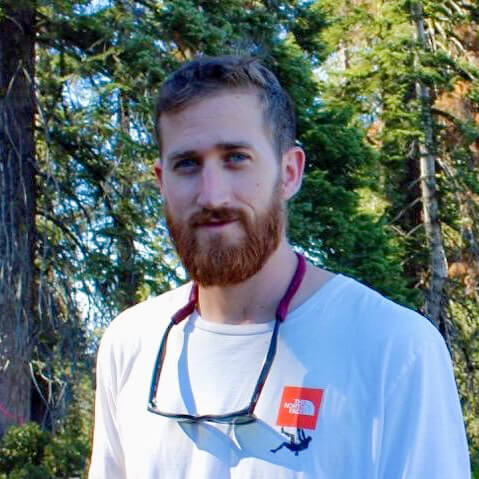
Brian Ichter
Physical Intelligence (co-founder)
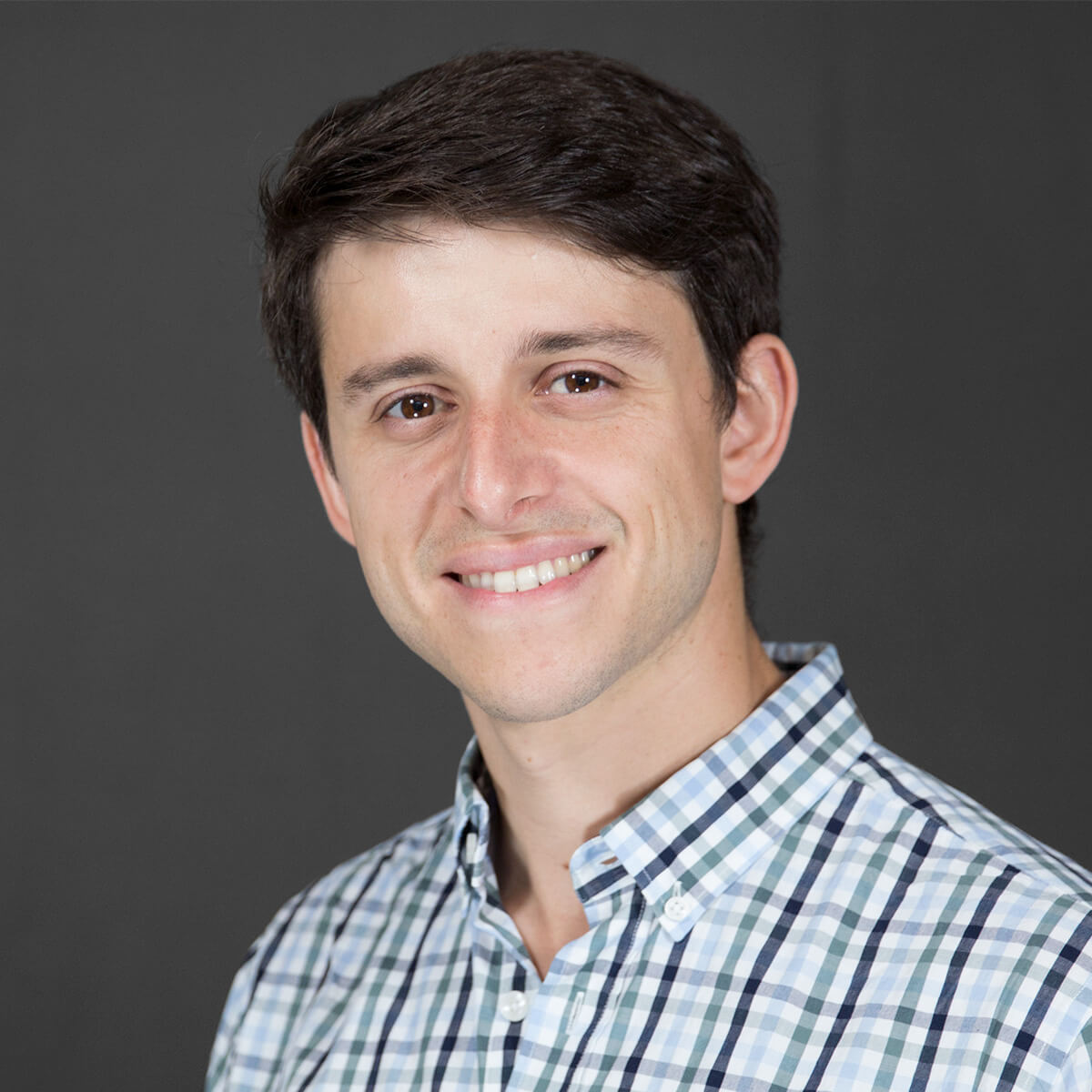
Ramon Iglesias
Clementine (founder)
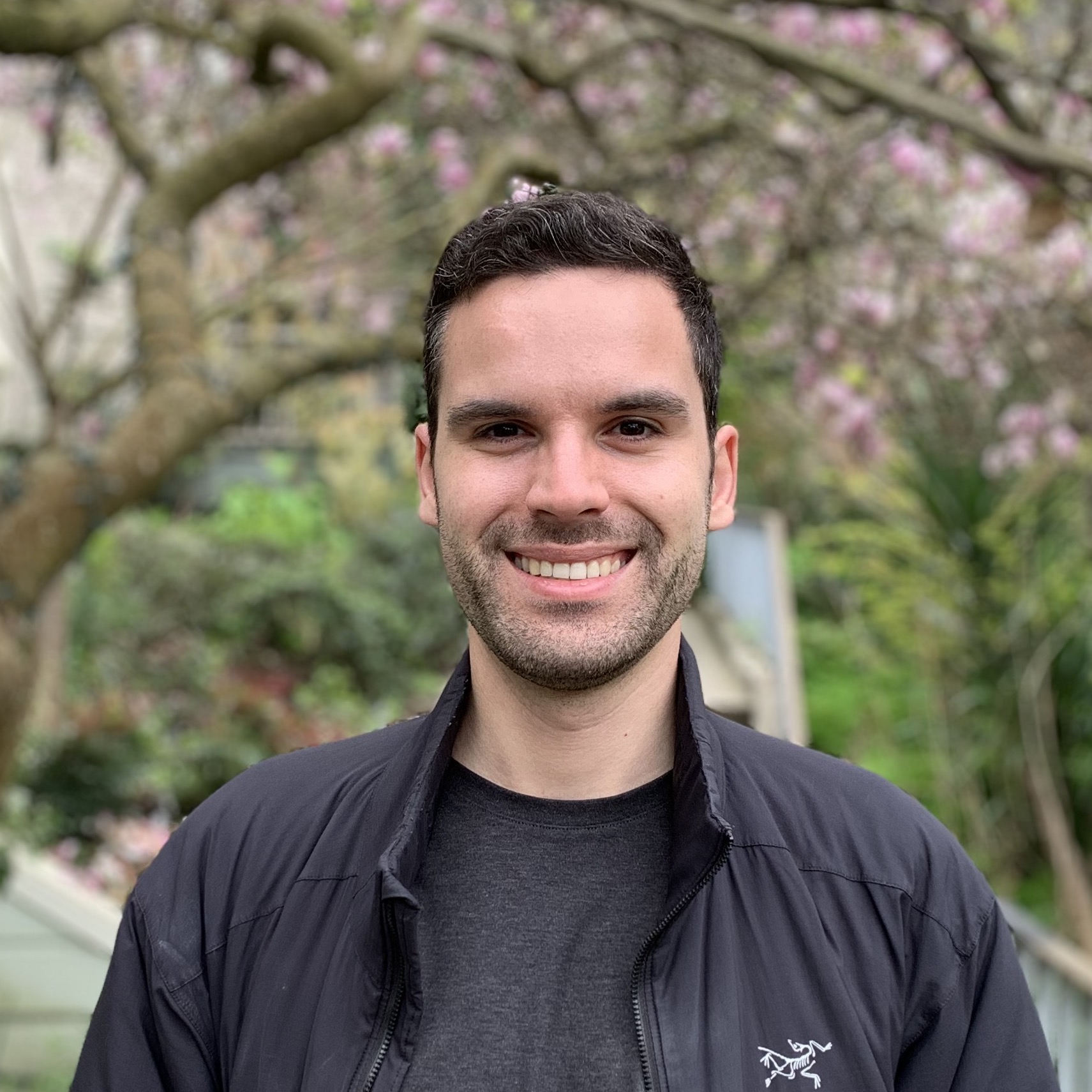
Boris Ivanovic
NVIDIA Research
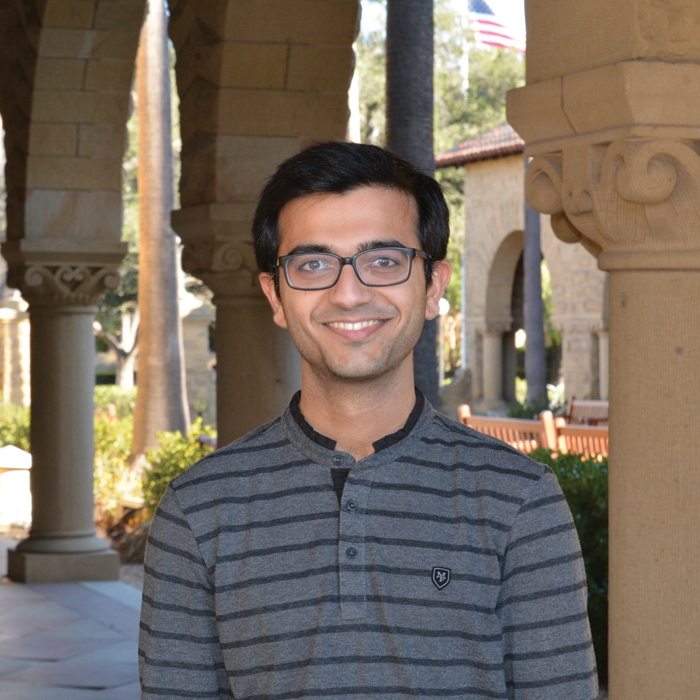
Devansh Jalota
Georgia Institute of Technology
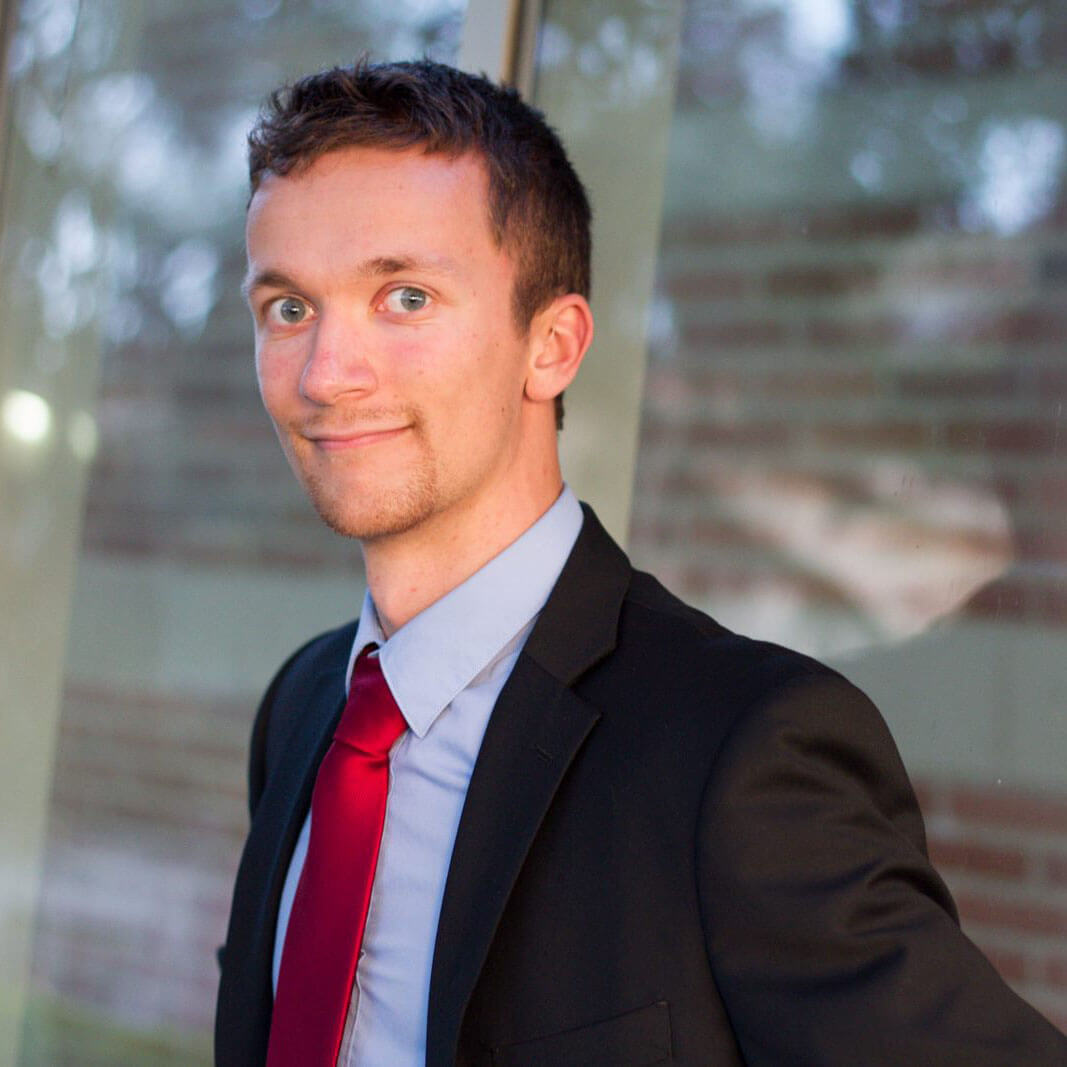
Stefan Jorgensen
Shield AI
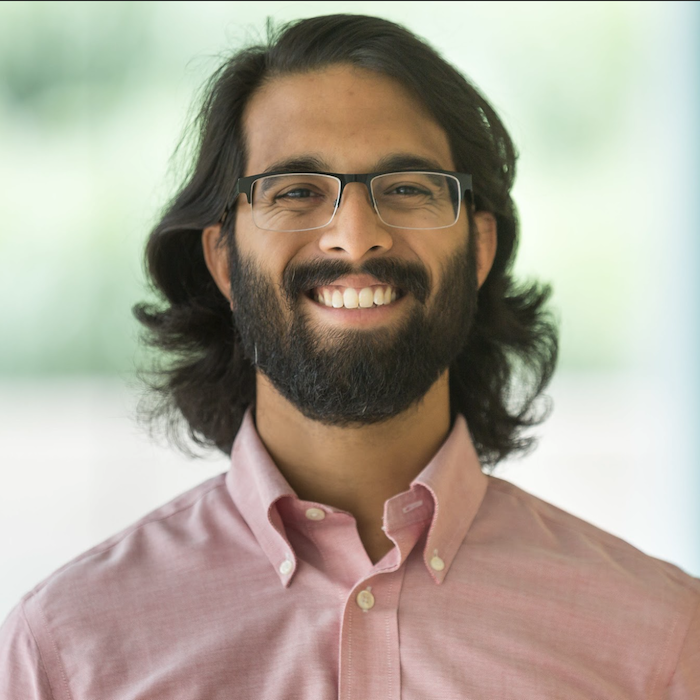
Shreyas Kousik
Georgia Tech
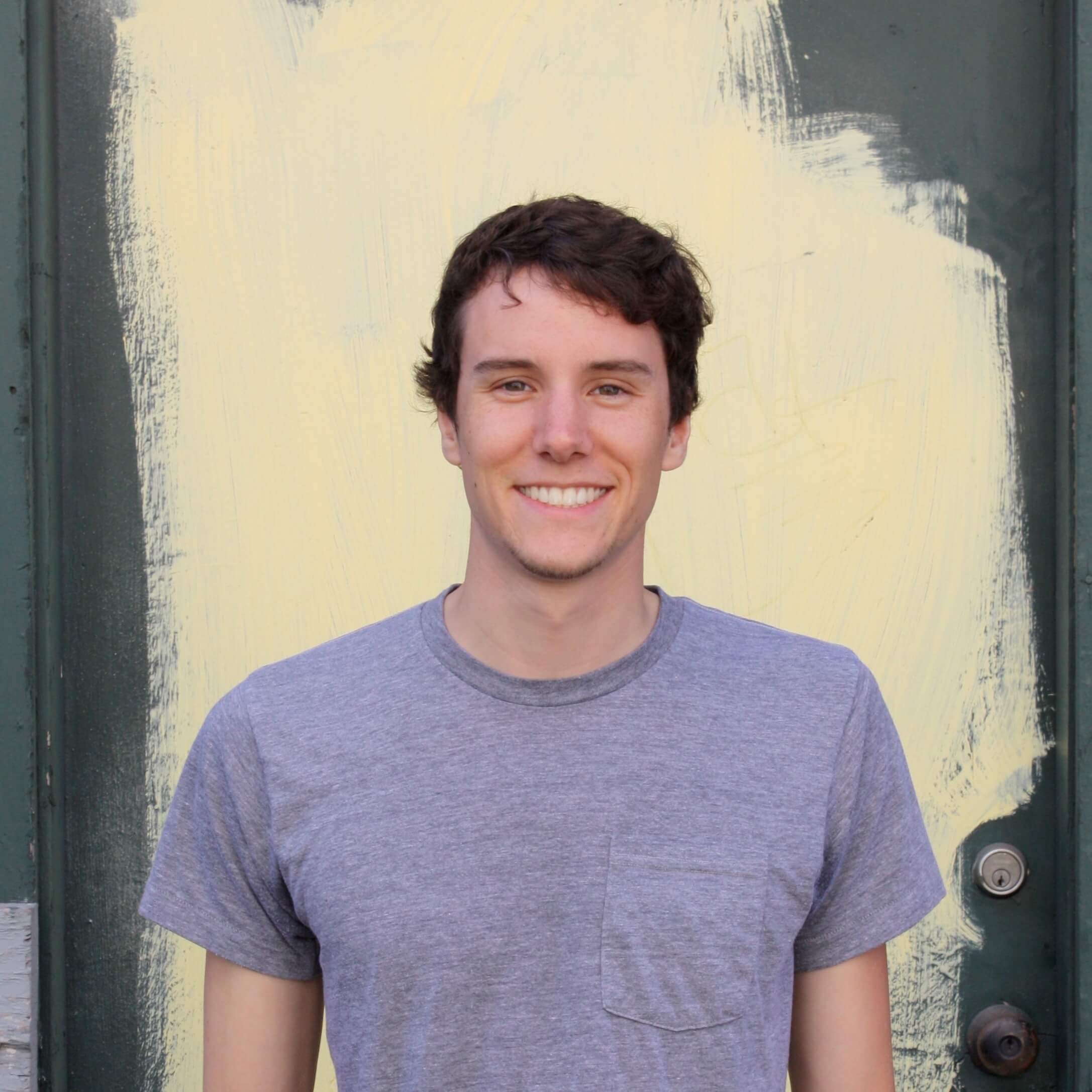
Benoit Landry
Apple
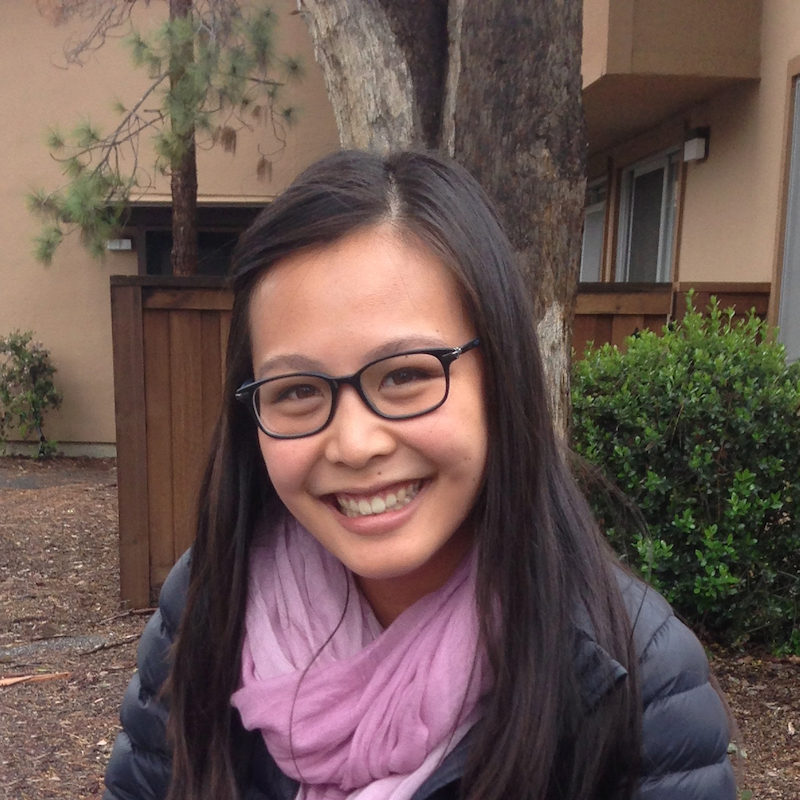
Karen Leung
University of Washington (via NVIDIA Research)
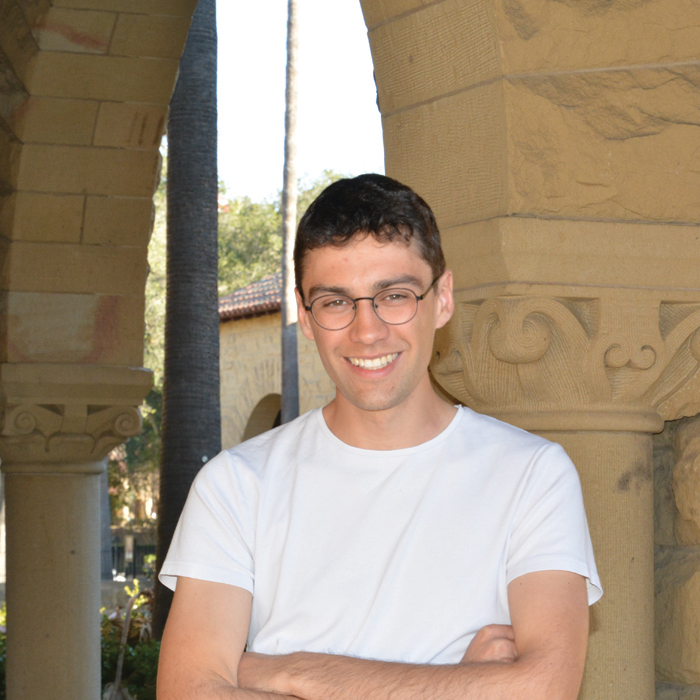
Thomas Lew
Toyota Research Institute (TRI)
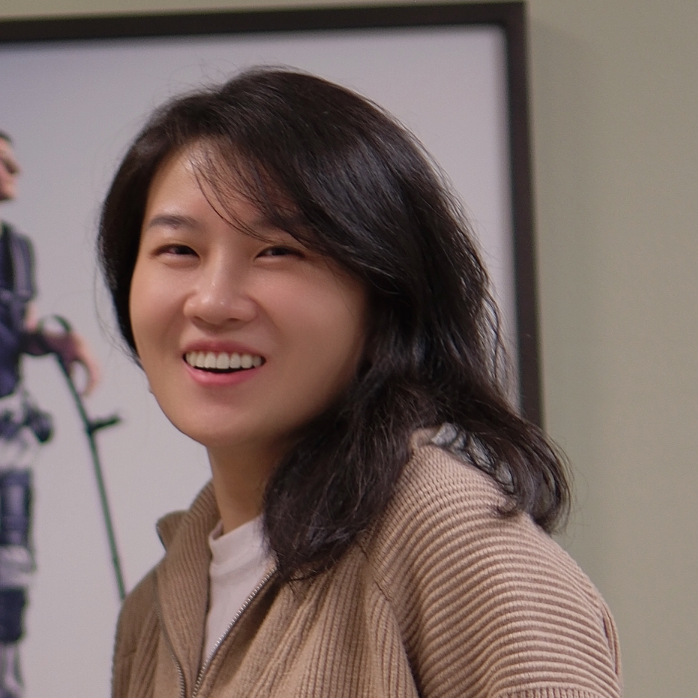
Ruolin Li
University of Southern California
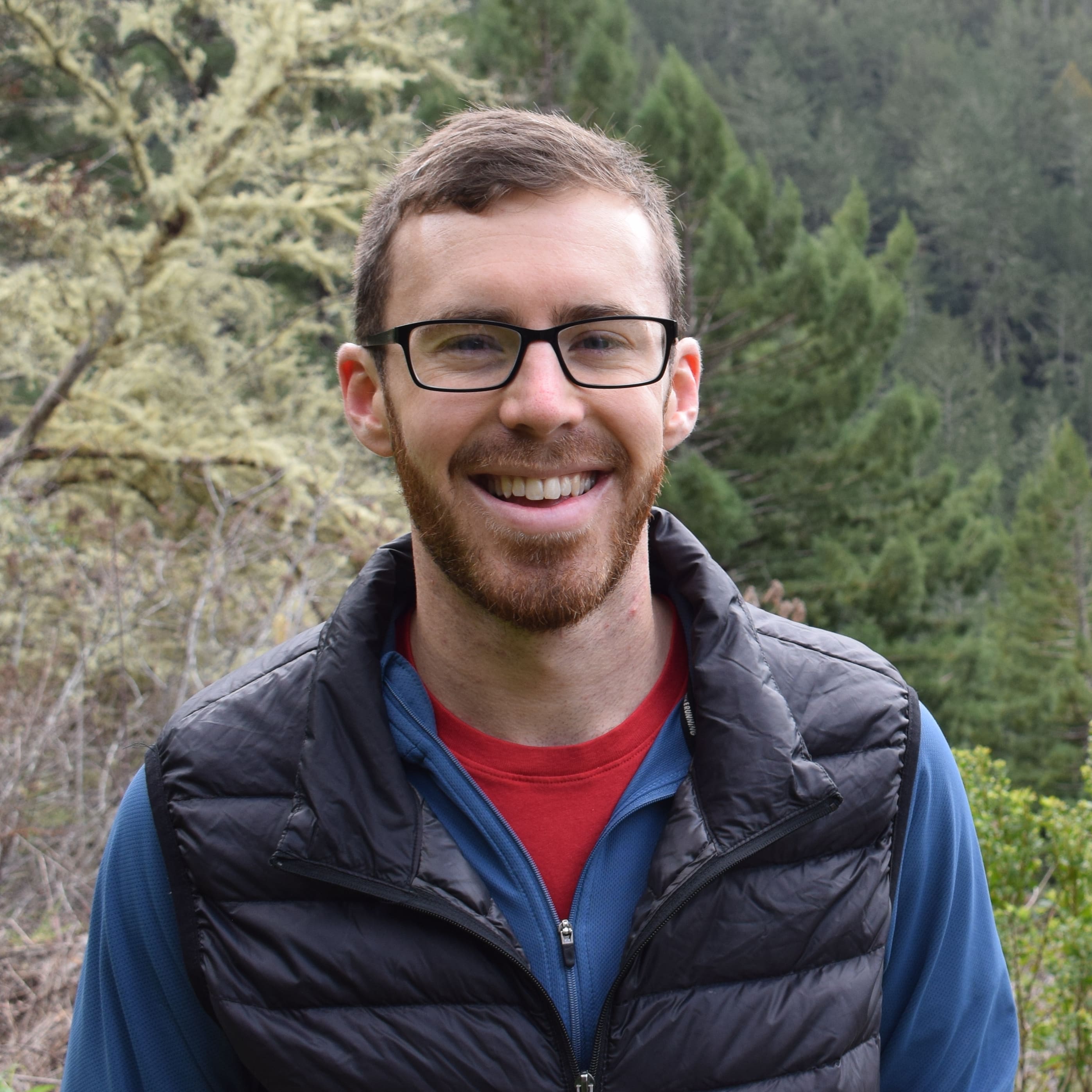
Joseph Lorenzetti
Zoox, Inc.
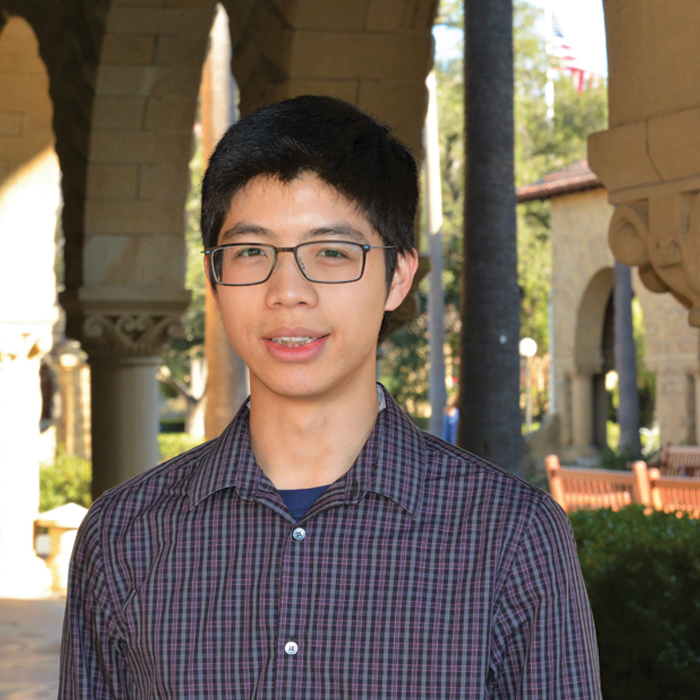
Justin Luke
Tesla
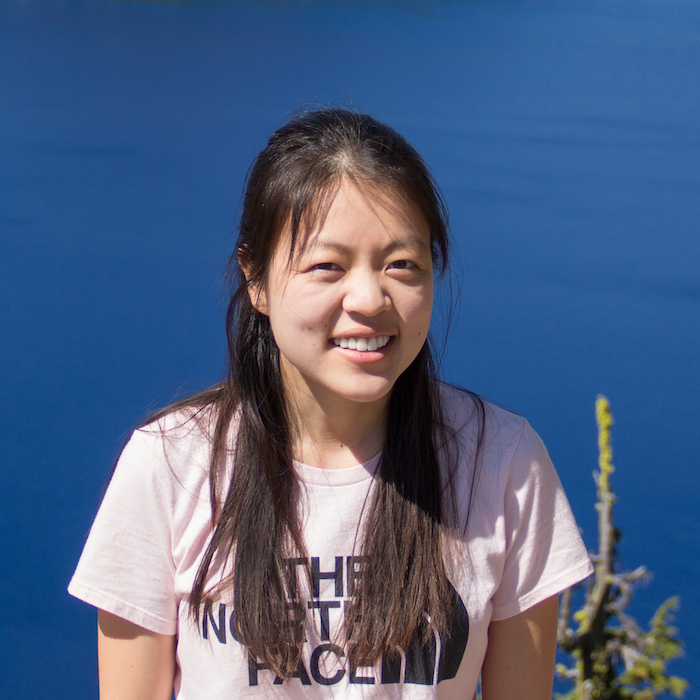
Rachel Luo
NVIDIA Research
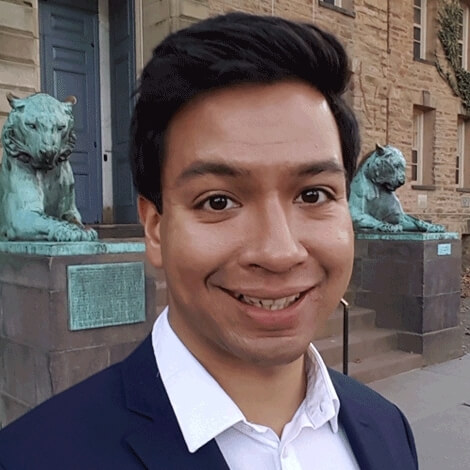
Anirudha Majumdar
Princeton University
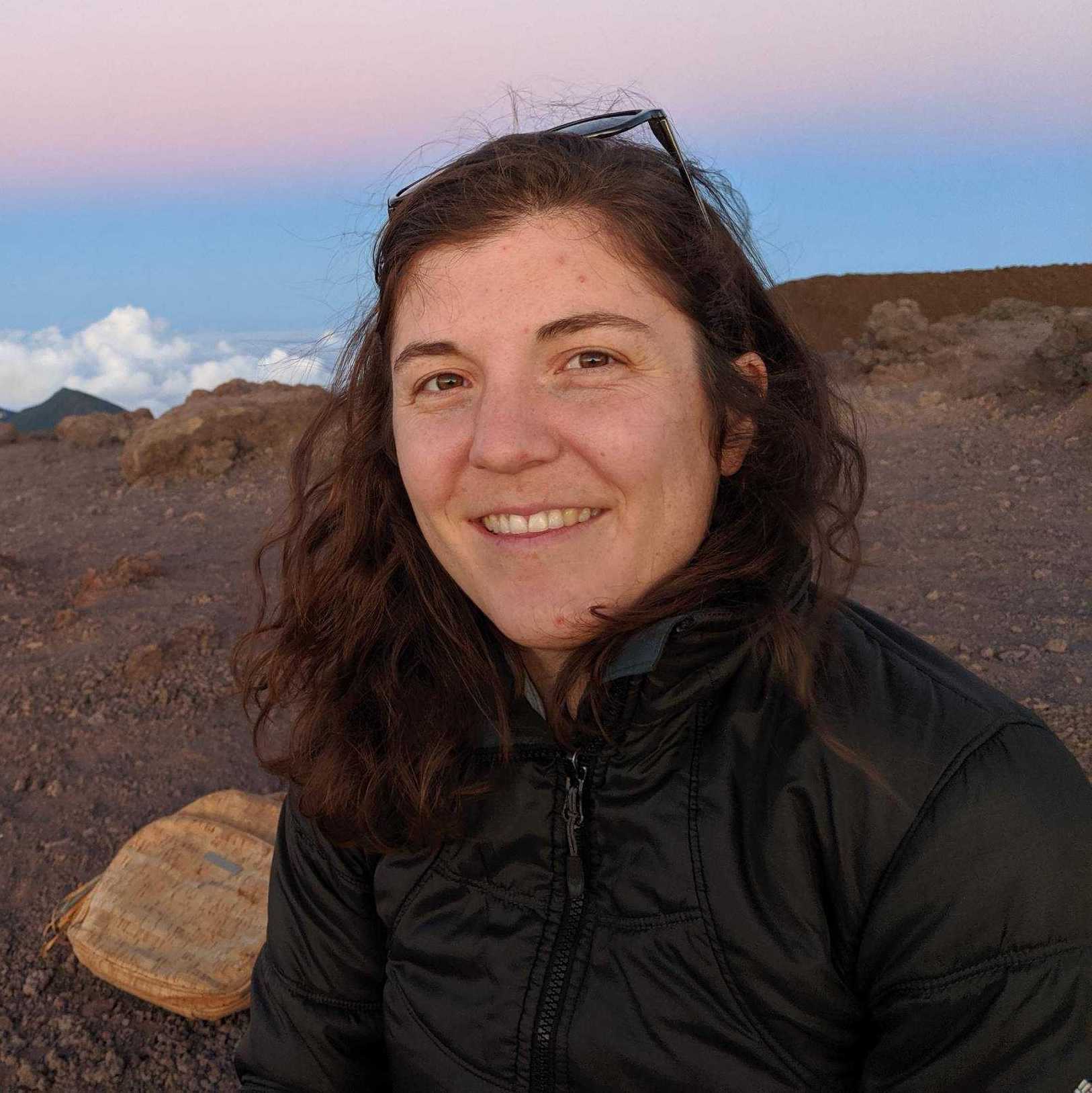
Stephanie Newdick
Blue Origin
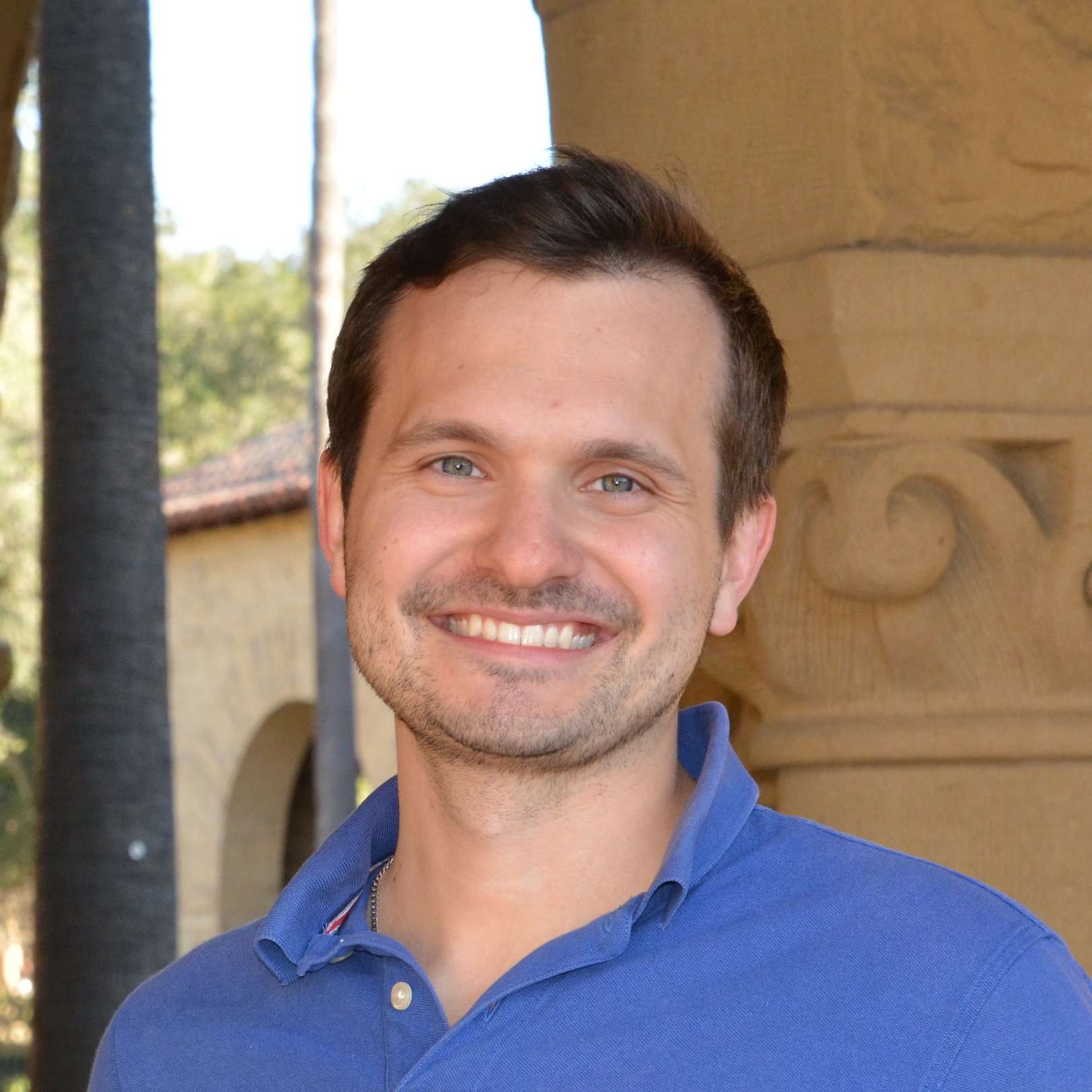
Spencer M. Richards
Toyota Research Institute (TRI)
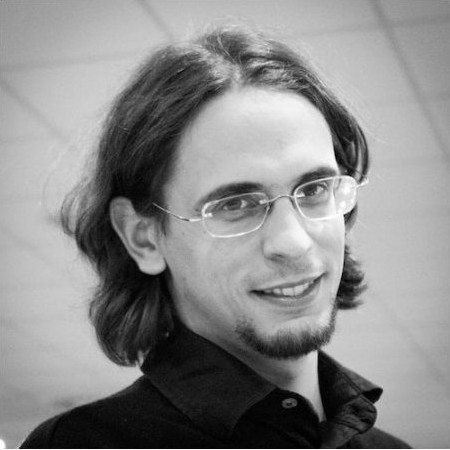
Federico Rossi
NASA Jet Propulsion Laboratory
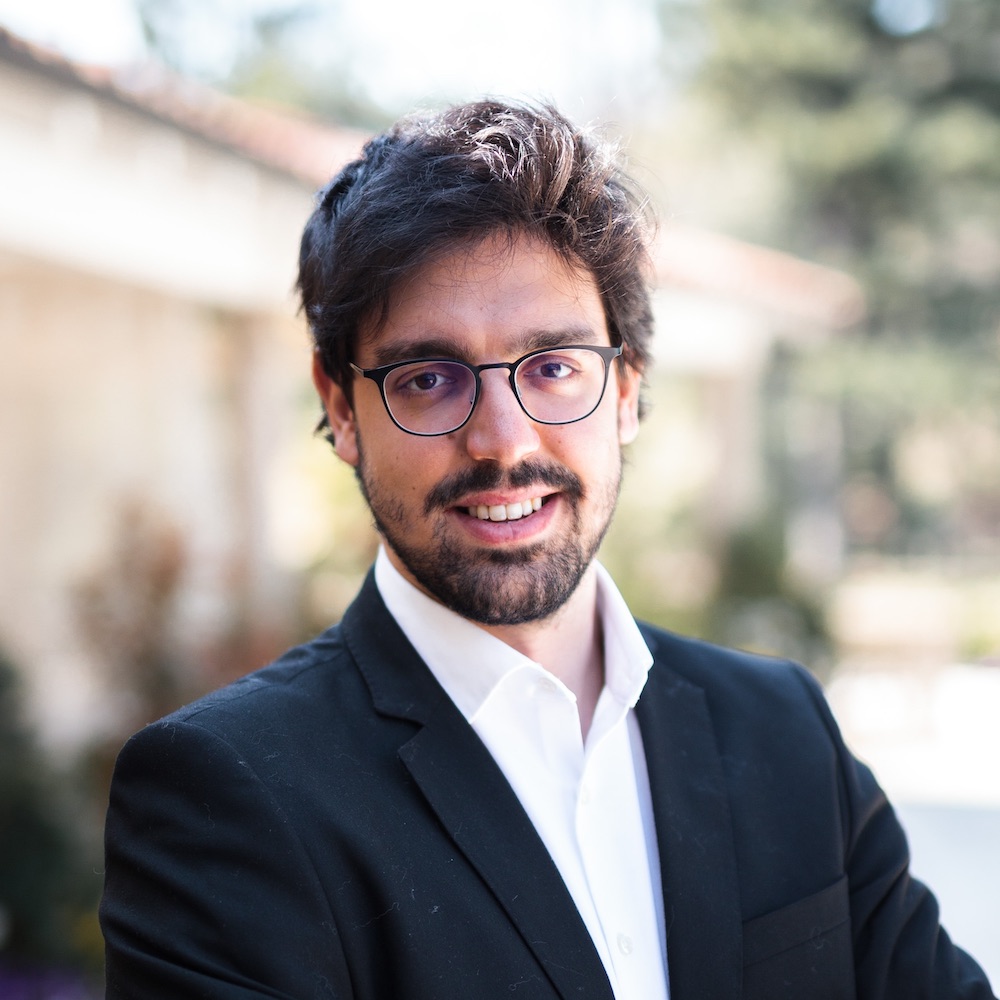
Mauro Salazar
Eindhoven University of Technology
Edward Schmerling
NVIDIA Research
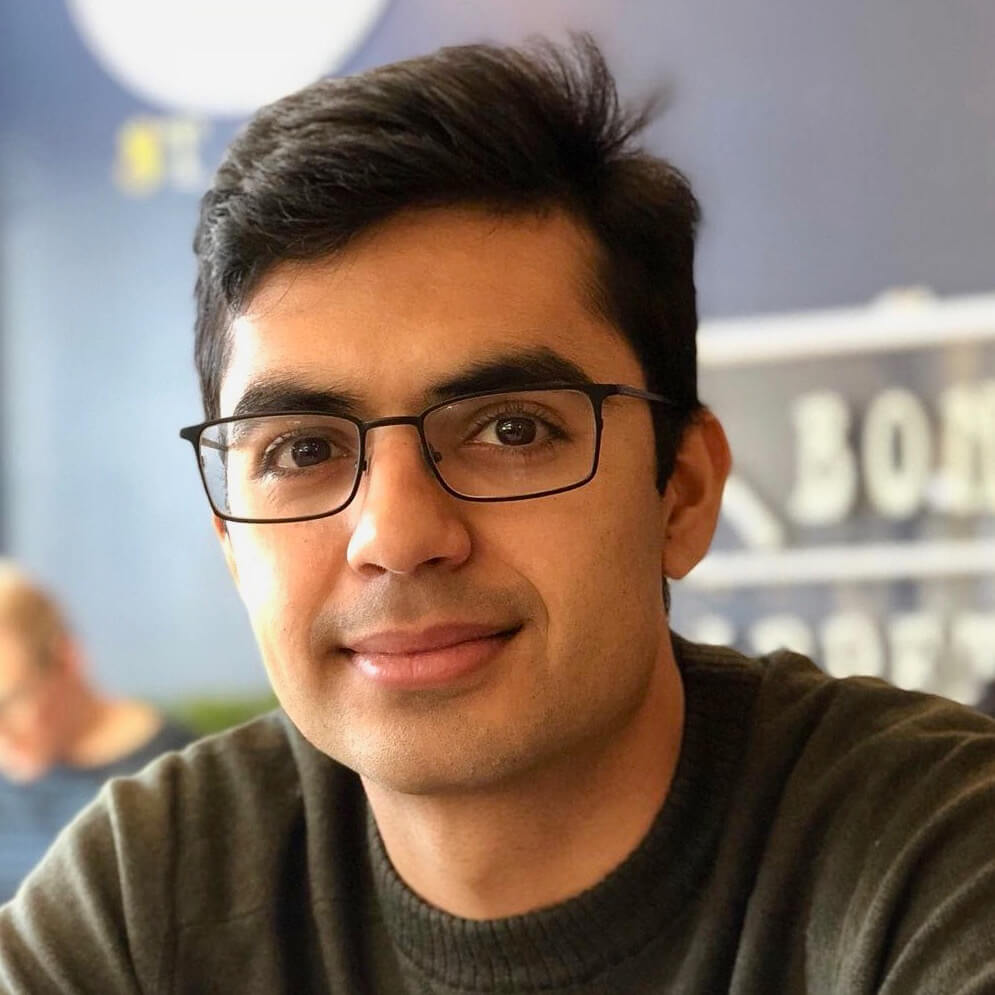
Apoorva Sharma
NVIDIA Research
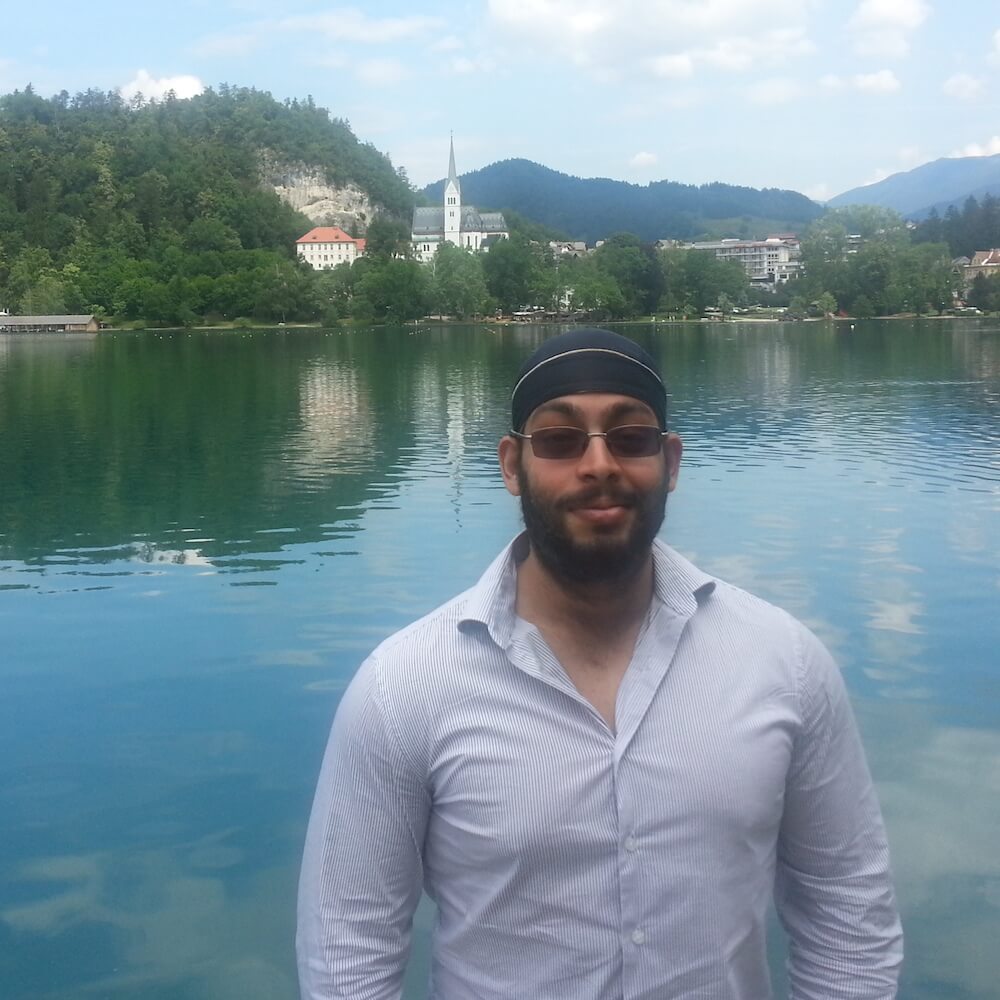
Sumeet Singh
Google DeepMind
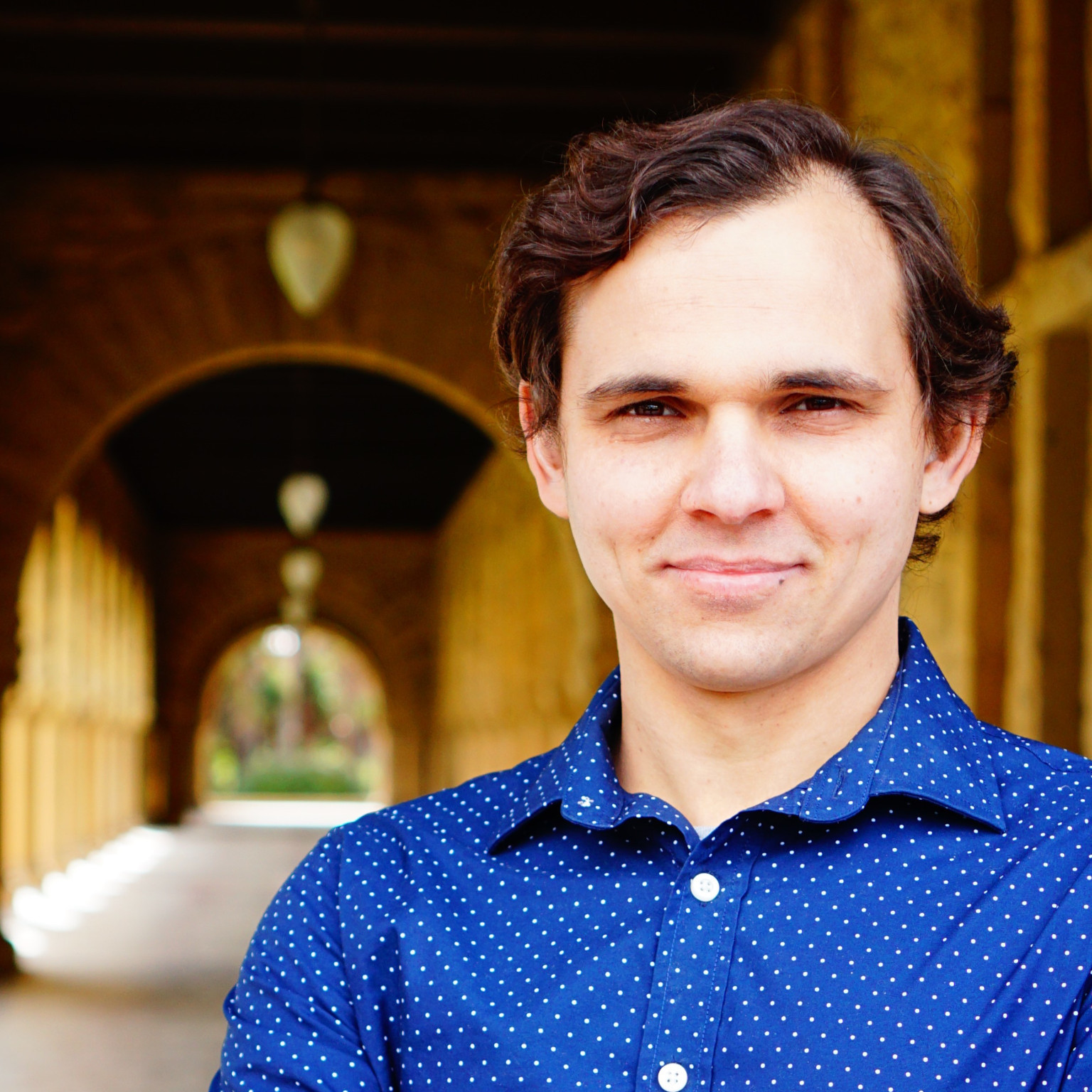
Kiril Solovey
Technion
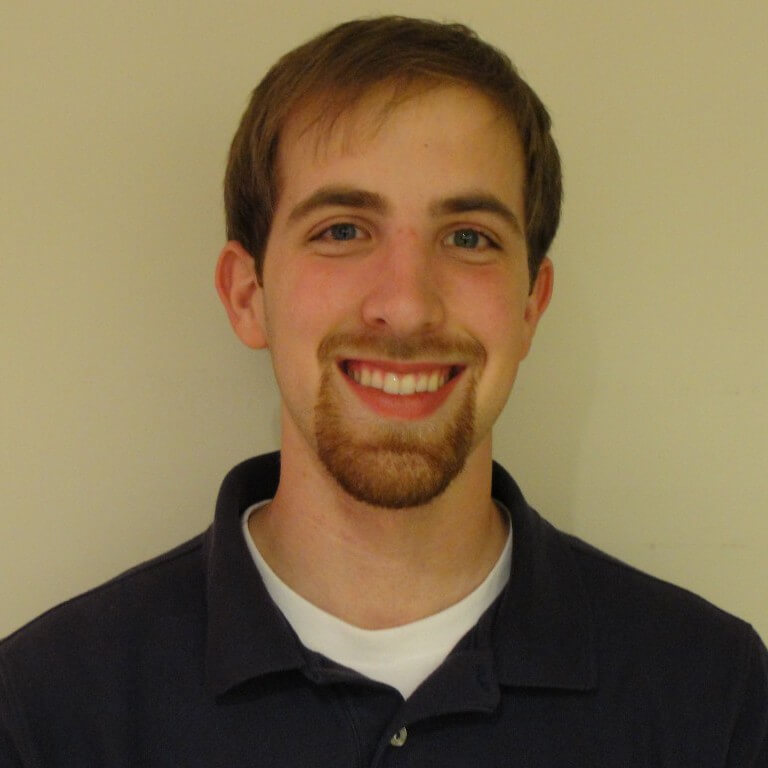
Joseph A. Starek
Nuro (via Space Systems Loral)
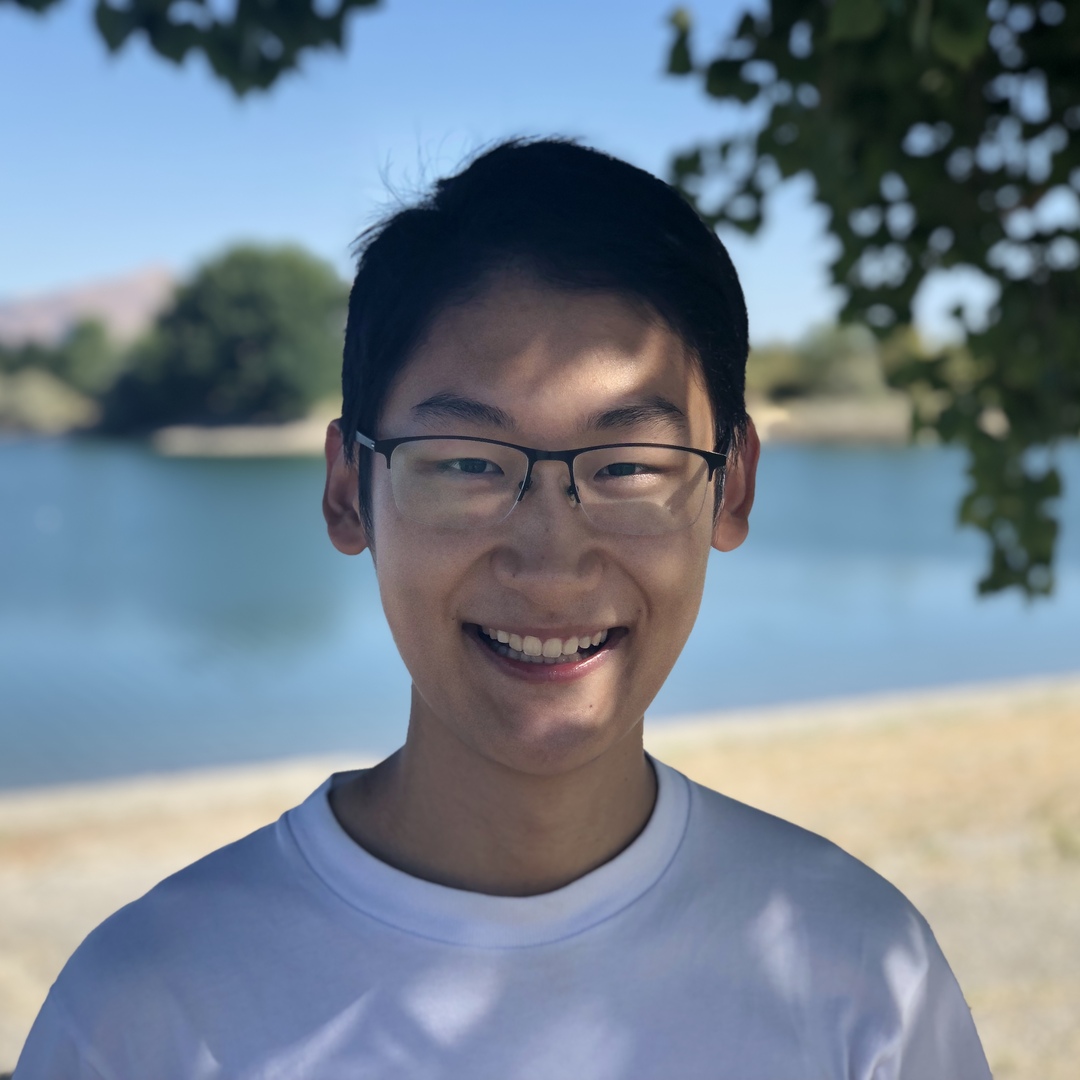
Yixiao (Alvin) Sun
Skydio
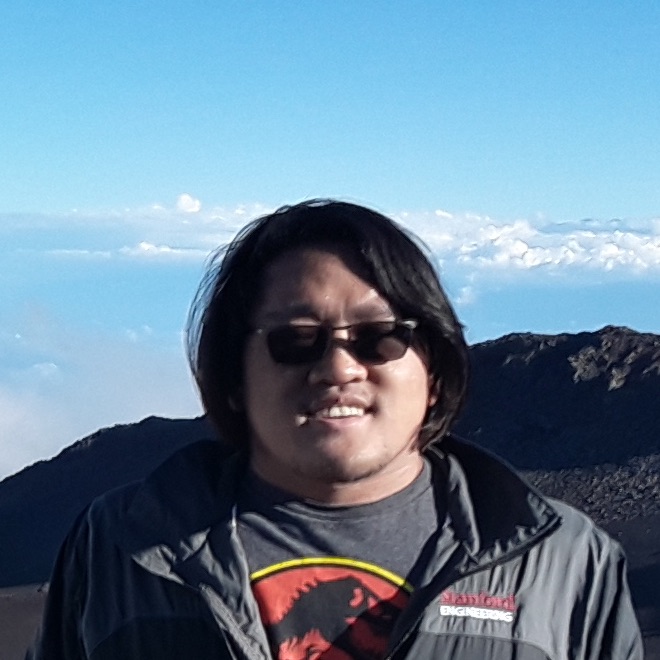
Matt Tsao
Lyft
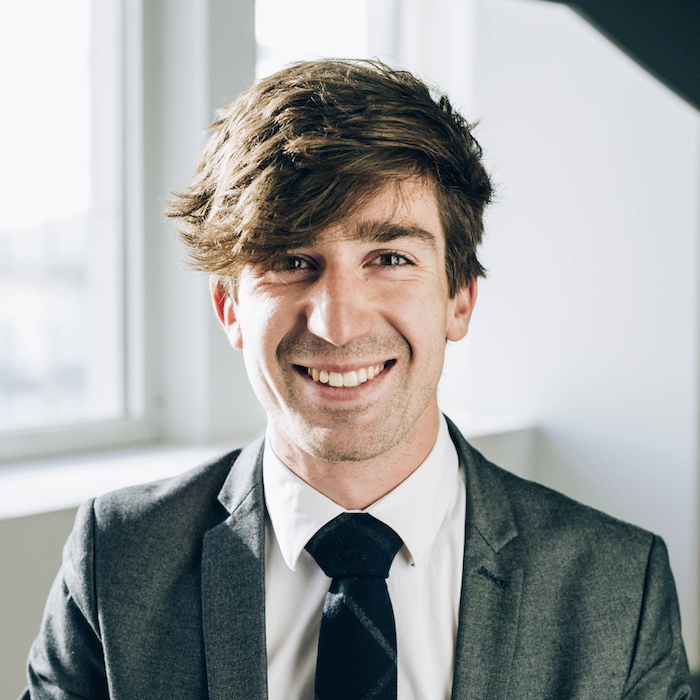
Lucas Valenzuela
Synopsys
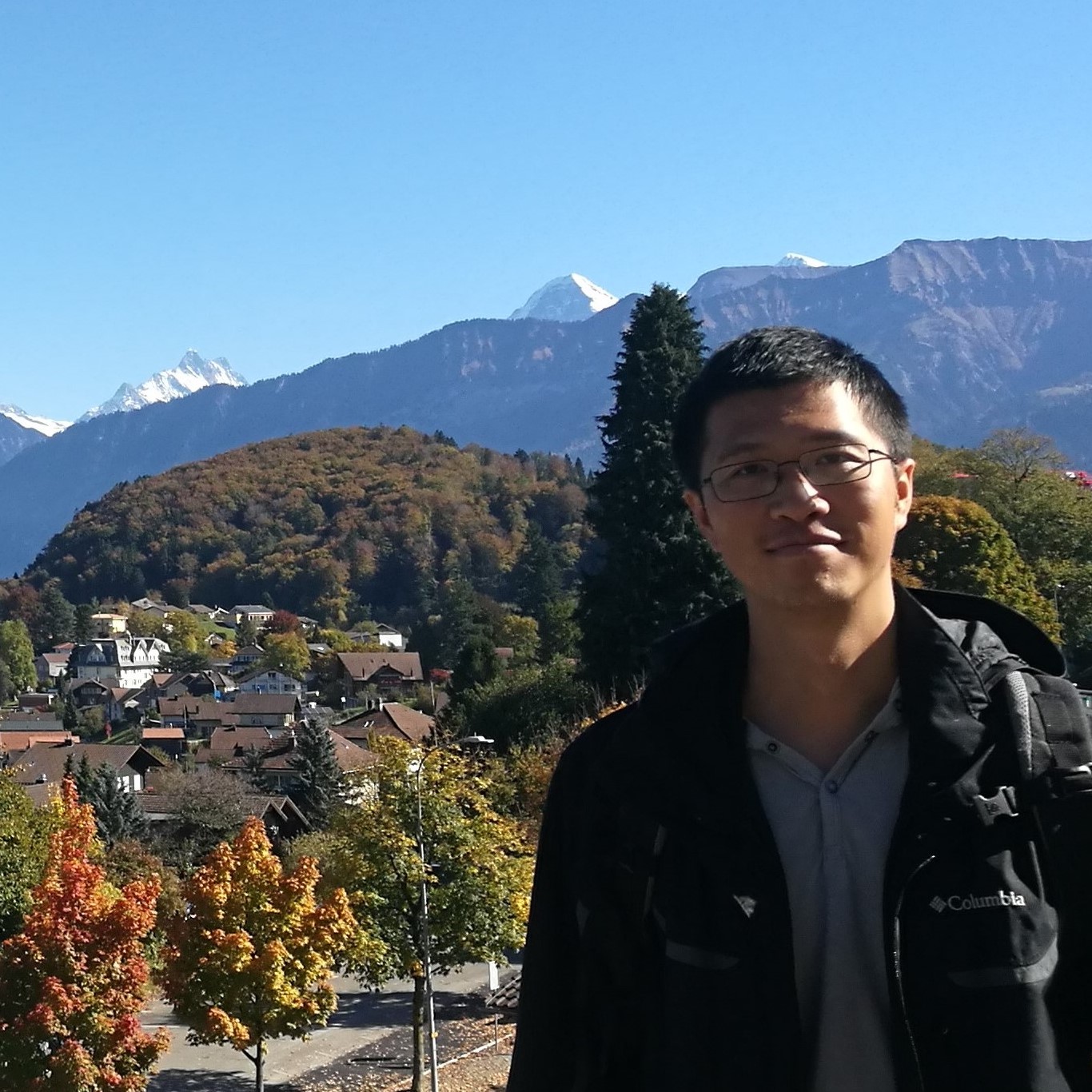
Kaidi Yang
National University of Singapore
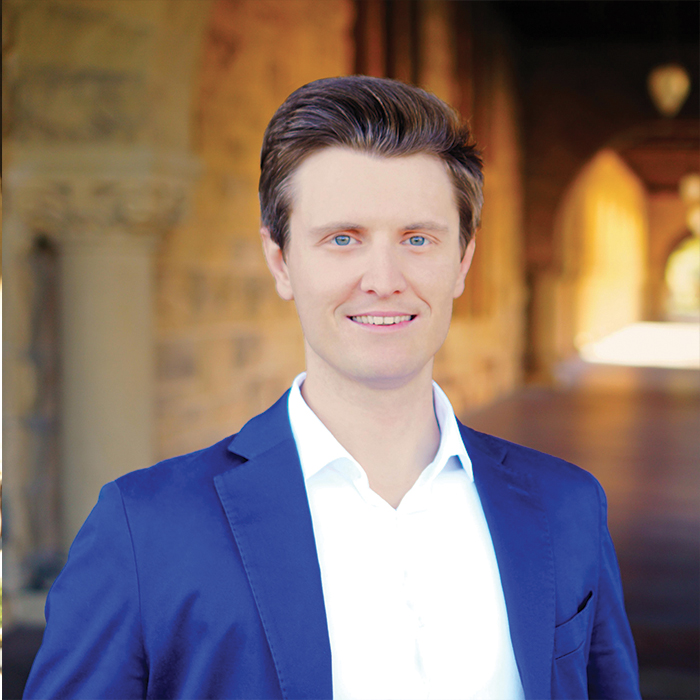
Matteo Zallio
University of Cambridge
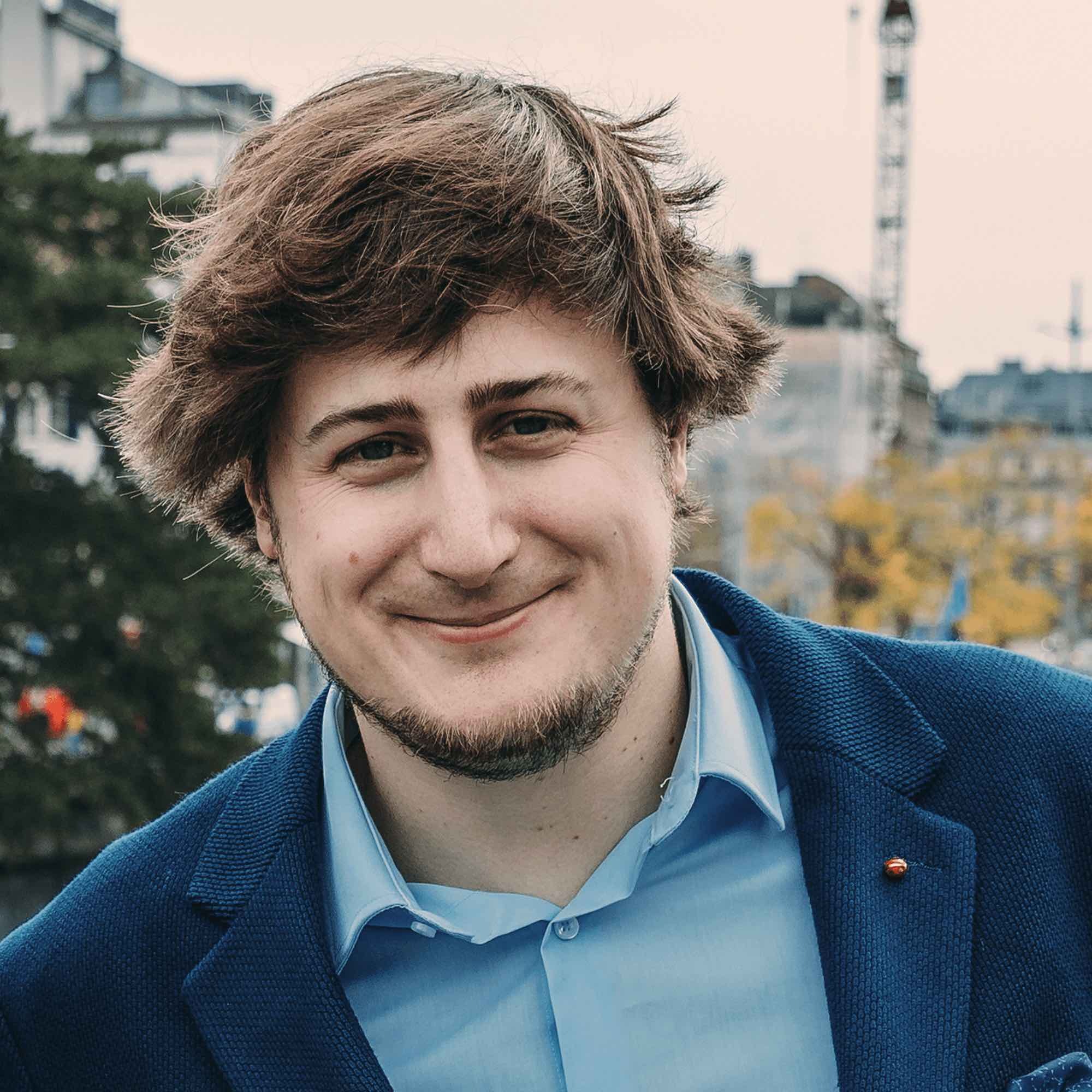
Gioele Zardini
Massachusetts Institute of Technology
Rick Zhang
Zoox, Inc.
Visiting Students
Roberto Bigazzi
University of Modena and Reggio Emilia
Nicoletta Bof
University of Padova
Felix Böwing
ETH Zurich
Jan Carius
ETH Zurich
Davide Celestini
Politecnico di Torino
Matteo Cercola
Politecnico di Milano
Kim Christensen
Norwegian University of Science and Technology
Clemens Christoph
ETH Zurich
Claudia Conte
University of Naples Federico II
Arpit Dwivedi (Master's Student)
Stanford University
Patrick Eberhand
ETH Zurich
Tobias Enders
Technical University of Munich
Roman Engeler
ETH Zurich
Zhe Fu
University of California, Berkeley
Marta Gazulla
ETH Zurich
Fabio Hübel
ETH Zurich
Javier V. Gómez
Universidad Carlos III de Madrid
Peter Hansen
Technical University of Denmark
Marvin Harms
Norwegian University of Science and Technology
Alvaro Estandia Hentschel
ETH Zurich
Dominik Helmreich
ETH Zurich
Keita Kobashi
Tohoku University
Johannes Koehler (visiting postdoc scholar)
ETH Zurich
Sarah Laamimach
Technical University of Munich
Nicolas Lanzetti
ETH Zurich
Thomas Lew
ETH Zurich
Adam Lilja
Zenseact and Chalmers University of Technology
Florian Mahlknecht
ETH Zurich
Francesco Marchiori
University of Padova
Layla Martin
Technical University of Munich
Jonas Matt
ETH Zurich
Dejan Milojevic
ETH Zurich
Luca Paparusso
Politecnico Di Milano
Ernesto Poccia
Scuola Superiore di Studi Universitari e di Perfezionamento Sant'Anna di Pisa
Wolfgang Pointner
Upper Austria University of Applied Sciences
Simon Romanski
Karlsruhe Institute of Technology
Max Ronecker
SETLabs Research GmbH
Loris Roveda
Karlsruhe Institute of Technology
Roberto Sabella
University of Naples Federico II
Tim Salzmann
Technical University of Munich
Simon Schaefer
ETH Zurich
Benedikt Schesch
ETH Zurich
Maximilian Schiffer (visiting professor)
Technical University of Munich
Jan Schilliger
ETH Zurich
Carolin Schmidt
Technical University of Denmark
Markus Schratter
Virtual Vehical Research GmbH
Lukas Schroth
ETH Zurich
Jakob Thumm
Technical University of Munich
Luigi Tresca
Politecnico di Torino
Peter Varnai
KTH
Mauro Salazar Villalon
ETH Zurich
Wolf Vollprecht
ETH Zurich
Lena Wild
KTH Royal Institute of Technology
Paul Wolff
ETH Zurich
Ji Hyun Yang (visiting professor)
Kookmin University
Matteo Zallio
Technological University Dublin
Gioele Zardini
ETH Zurich
Jannik Zgraggen
EPFL
Our Values
Statement of Diversity, Equity, and Inclusivity
As researchers and teachers, we in the Autonomous Systems Lab recognize the importance and value of having diversity in our research group and the value of having members from all walks of life. Both in our day-to-day activities and research itself, we seek to be inclusive and mindful of this diversity in the lab, the classroom, and in our interactions. Further, we acknowledge that educating ourselves on the matters of inclusivity and diversity is a life-long learning process that must be a part of our entire research and professional careers. To this end, the Autonomous Systems Lab is committed to fostering the following principles to maintain an inclusive and vibrant environment on a daily basis:
- •We affirm all people, regardless of their age, culture, race, ethnic origin, religion, sexual orientation, gender, gender identity, disabilities, marital status, nationality, and socioeconomic status.
- •We strive to maintain an environment of mutual respect for every member of the lab and community and one that rejects discrimination, prejudice, and intolerance.
- •We commit to continuously educating ourselves and seek to incorporate ideas of diversity and inclusivity to our daily conversations on the broader impacts of our research.